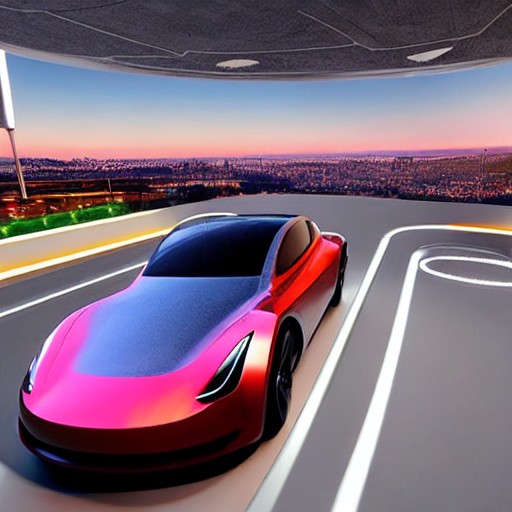
Tesla is preparing to unveil its Cybercab at a highly anticipated event in Austin, Texas. The vehicle, with its distinctive matte gold finish and innovative design, is set to join Tesla’s growing fleet of autonomous vehicles. However, the real challenge lies not in the aesthetics but in the complex software that powers these cars. Tesla’s CEO, Elon Musk, has repeatedly promised self-driving capabilities, but success in the robotaxi market remains uncertain. The practicalities of operating a fully autonomous service, including vehicle maintenance and software updates, are intricate and demanding.
The Cybercab’s official introduction is a significant step, but the software is the true test. Tesla’s Full Self-Driving (Supervised) product, while capable of performing many driving tasks, still requires constant human supervision. The National Highway Traffic Safety Administration is currently investigating potential issues with the system, highlighting the ongoing challenges.
The business model for the Cybercab is also in question. While Tesla has plans to sell these vehicles to individual drivers, the regulatory hurdles and the need for efficient operations present significant obstacles. Other companies in the autonomous vehicle market, like Waymo, have formed partnerships to streamline their services, while Tesla prefers to operate independently. The complexity of managing a fleet of autonomous vehicles is vast, encompassing everything from charging and cleaning to personnel training.
The success of Tesla’s robotaxi venture depends not only on technological advancements but also on efficient operations and economic viability. The company’s ambitious plan to shift from car manufacturing to a fully autonomous vehicle service is a daunting task. For now, the Cybercab is just the first step, and the road ahead is long and uncertain.