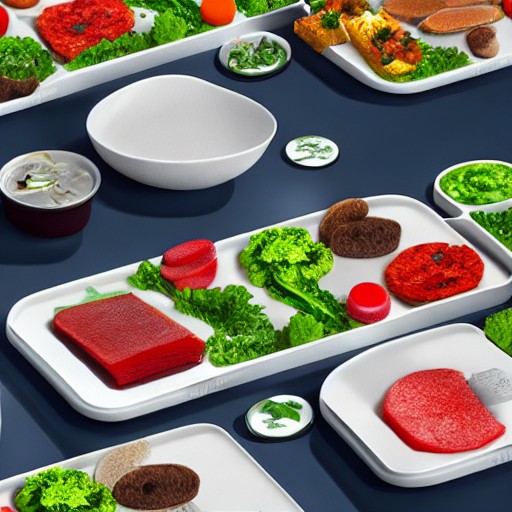
A morning stroll to work has turned into a digital delirium, with taco trucks displaying AI-generated images that look as if they were drawn by a cephalopod. These ‘AI-slop’ images, now a viral sensation, reflect the broader impact of generative AI on restaurant menus. From a maggot-ridden burrito to a plasticky pasta, consumers are revolted, and for good reason. The aesthetic is distinctly off-putting, often with random holes or otherworldly cuts of meat, a far cry from the photorealistic images produced by the most advanced models.
While the birth of the online menu set us on this path, the reliance on AI-generated images is now expanding into the physical world. AI menu slop has spread from online origins to posters in coffee shops and signs in delis. Restaurant owners, sometimes oblivious to the off-putting nature of low-quality image generations, are leaning into these tools for a visibility boost on third-party apps without the cost of a photoshoot.
Generative AI tools are not just affecting the visual aspect of menus; they are also influencing what appears on local coffee shop menus, beyond just images. Tastewise, a data insights company, partners with major food companies to help them decide what foods to sell and how to sell them. Their tool, TasteGPT, is a chatbot-style interface that provides food-specific insights, suggesting trends like 'cake-flavored plant-based snacks' and 'cold foam' as high consumer interest items.
The tension between food marketing and reality has always existed, but the generative AI boom has intensified it. While food stylists have long used creative methods to present objects of consumption, the cheap menu slop we see daily remains puke-inducing. Despite these many mistakes, restaurant owners will continue to turn to AI tools to automate aspects of their businesses and optimize their online offerings. Around 85% of restaurateurs currently feel comfortable using AI tools and plan to use them even more extensively in the future, according to a recent poll from Toast.
Instead of using fully AI-generated images, Popmenu software can enhance real food images captured by smartphones. AI can now easily patch up these images, plate them all the same, and make the lighting consistent, presenting the dish professionally, based on what they are actually selling. The question remains: is this a professional enhancement or a digital delusion?