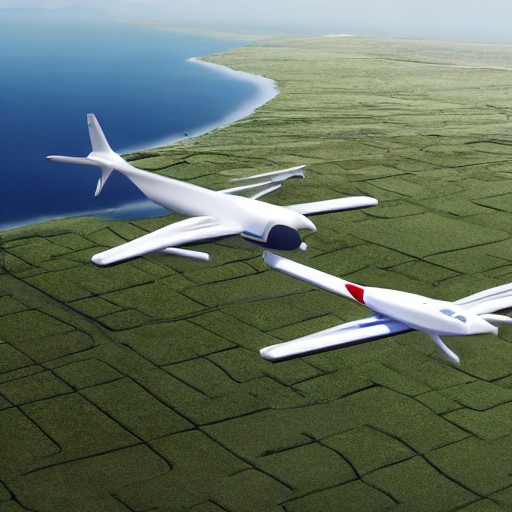
Over an alfalfa field in California's San Joaquin Valley, a crop-spraying plane is flying incredibly low, but there's no pilot. Instead, it's guided by cutting-edge software. This pilot-free plane, belonging to Pyka, can operate at lower heights, reducing chemical drift and potentially saving on spray. Inside a converted Second World War hangar, Pyka crafts self-flying aircraft for crop spraying and cargo delivery, hinting at a future where planes might even ferry passengers.
While flying eVTOL urban air taxis have captured much attention, a quieter race is underway for self-flying planes. This technology could address pilot shortages and make flying safer, though pilot unions remain skeptical. Autonomous flight, where aircraft handle take-offs and landings with minimal human intervention, is advancing slowly, partly due to higher safety standards and tech companies focusing on self-driving cars. Military contracts are aiding this progress, with Pyka and Windracers already supplying military customers and receiving civilian approvals in Brazil.
Supporters argue that these planes could improve efficiency, reduce costs, and take people out of dangerous jobs. However, challenges remain, such as ensuring these aircraft can be seen by traditional pilots and addressing the unique regulatory hurdles for autonomous aviation. As we look to the skies, the question remains: will self-flying planes transform the skies, or just add some flying drones?