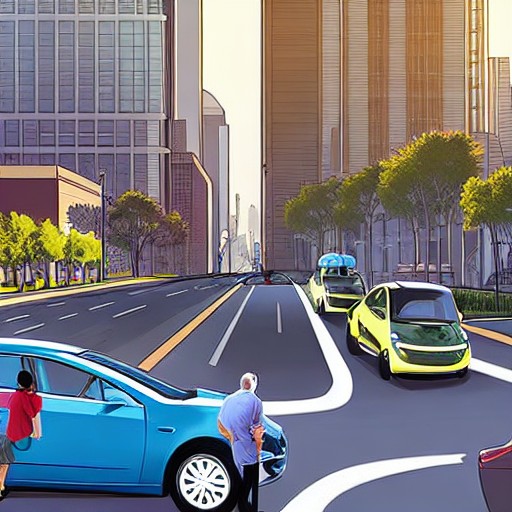
Tesla’s latest innovation, the Cybercab, has hit the streets in two U.S. states, but not everyone is onboard with the safety net. Hours after welcoming the public for a ride, the vehicle found itself under scrutiny from the National Highway Traffic Safety Administration (NHTSA), which is questioning whether it meets current safety standards.
The investigation is timely, as NHTSA is in the process of updating vehicle standards to better accommodate driverless cars. Eight rules are up for revision, including the removal of parts that are redundant in driverless vehicles, such as brake pedals and rearview mirrors.
Despite the looming inquiry, Tesla remains confident that its vehicles comply with all existing safety standards, and therefore do not require a special exemption. Meanwhile, other companies like Amazon subsidiary Zoox, which also offer driverless cars without traditional controls, have been granted limited exemptions. These allow Zoox to operate with a maximum of 2,500 vehicles this year, under strict conditions.
The deployment of these vehicles marks a significant step towards the widespread adoption of autonomous driving technology, but it also raises questions about the regulatory landscape and public safety. As AI-driven vehicles become more common, the balance between innovation and safety will be crucial.