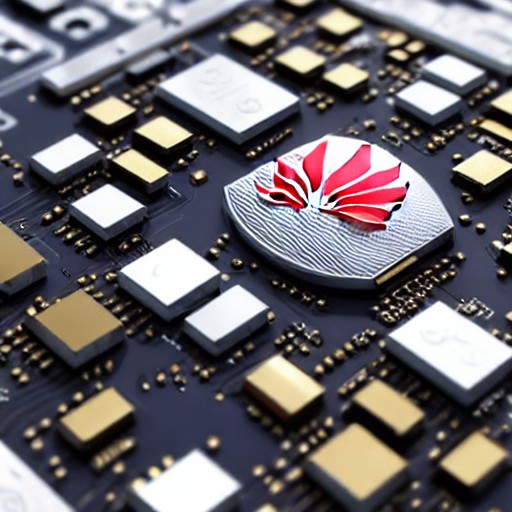
Huawei is pushing up the launch of its next-generation Ascend 960DT AI chip to the first quarter of 2027, aiming to challenge tech giant Nvidia. The Chinese tech giant has moved its timeline from the third quarter of 2027 to the first, doubling performance year on year. Huawei’s chairman, David Wang, announced the update at the Huawei Connect conference.
The move comes just a week before a high-stakes meeting between U.S. and Chinese presidents, raising geopolitical questions amid U.S. restrictions on advanced semiconductor technology. Analysts suggest that despite these challenges, China is determined to develop its own tech.
Meanwhile, Huawei is building its Peerium Computing Architecture, a method to create giant computing systems using AI chips. The company’s Atlas 950 SuperPoD and SuperCluster are the first systems based on this architecture, capable of connecting up to 256,000 accelerator cards.
The updated chip timeline has sparked questions, with one analyst noting that while the chip itself is coming earlier, the scale of the SuperPoD system is significantly smaller than originally planned. This move could mean Huawei is focusing on smaller, more manageable systems for now.
As the tech race heats up, both the U.S. and China are pushing for dominance. Huawei argues that Chinese companies need to advance further in AI development to fully understand and address the risks posed by more powerful systems.