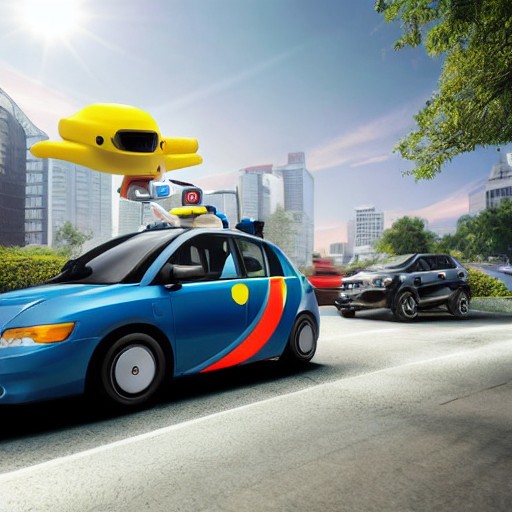
A new California law mandates that autonomous vehicle (AV) companies like Tesla and Waymo provide on-the-ground support for their robotaxis when they cause issues, and could face fines if they block emergency services for over 30 minutes. The legislation follows a series of incidents where Waymo’s robotaxis disrupted traffic and emergency operations.
California State Senator Dave Cortese introduced Senate Bill 1246, stating: ‘When an autonomous vehicle crashes, breaks down, or blocks a roadway in an emergency, there must be clear accountability.’ The bill enforces strict rules, such as requiring remote drivers to be based in the U.S. and holding companies accountable for system-wide failures and vehicle obstructions.
The National Highway Traffic Safety Administration (NHTSA) has also pressured AV developers to find solutions to the issues around emergency response. Waymo, the largest U.S. robotaxi operator, has about 4,000 autonomous vehicles, with 1,200 in the San Francisco Bay Area. The company has faced criticism for incidents where first responders had to manually drive its vehicles.
The law takes effect in July 2028, with the California Department of Motor Vehicles setting guidelines on response times and other aspects. Waymo has stated its commitment to improving road safety, while other companies like Zoox have indicated compliance.