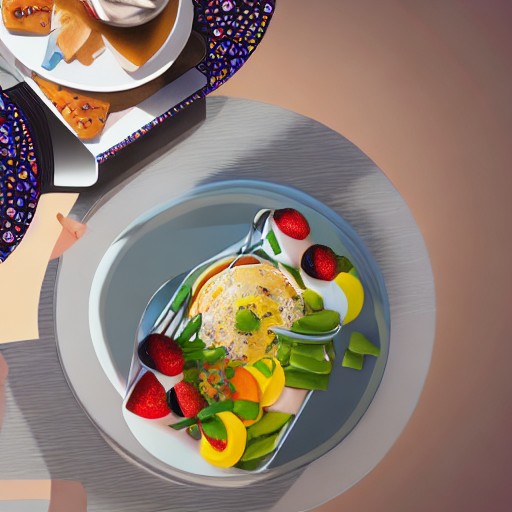
In return for feeding my metabolic data, my AI doppelganger tells me what to eat. Every morning, after logging my body composition on a smart scale, I sip lemon water and take my medications, all meticulously recorded in the Twin Health app. The AI, a colorful food database, predicts how my glucose levels will react to my meals, categorizing them as red, orange, or green. Breakfast of Cheerios? Orange, but green with a post-walk.
For the past 100 days, this digital health experiment has changed my habits. I avoid unhealthy treats and feel less inclined to indulge, thanks to the app's nagging. Digital twins are a new concept in personalized medicine, promising to tailor treatments to individual needs. However, the process is invasive, requiring 90 days of continuous monitoring and numerous tests.
The digital twin, while helpful, has its drawbacks. The sheer amount of personal data required is daunting, and the continuous logging can be draining. Yet, it has subtly influenced my behaviors, making me more mindful of my diet. As the months tick by, the AI's hunger for data feels like a personal drain.
Despite the novelty of color-coded food predictions, the digital twin remains an abstract concept. I am comforted by the lack of an avatar, but the idea of 'testing' food on a virtual version of my metabolism is unsettling. Still, the AI's insights have nudged me towards healthier choices, and for now, that's a positive change.