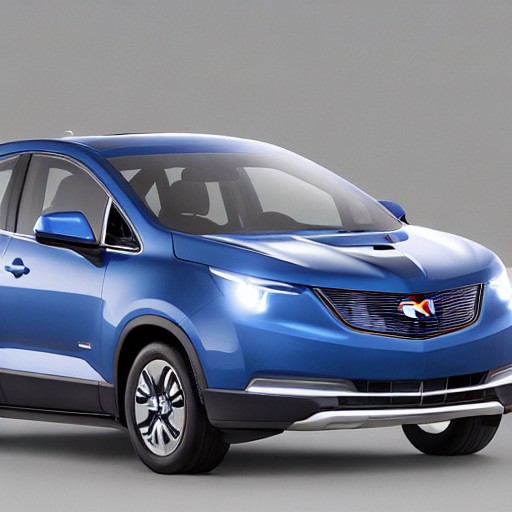
General Motors (GM) has unveiled its latest EV platform, focusing on cutting-edge technology rather than traditional engineering. The new platform will feature novel battery chemistries, improved electric motors, and a central computing unit that connects every system in the car. GM’s executive vice president, Sterling Anderson, believes vehicles can become smarter and more helpful spaces, with better context understanding and reduced friction for drivers.
While GM has been pouring billions into software and autonomous vehicle technology, it faces stiff competition from both domestic upstarts like Tesla and Chinese automakers, which have shortened development cycles to just two to three years. GM aims to match this pace, using enterprise AI tools to speed up the development process and reduce costs.
Gearheads may miss the traditional automotive terms, but for GM, the focus is now on software. The new Central Compute Unit (CCU) will be 40 times more powerful than its existing systems, allowing for advanced autonomy features. GM’s Cadillac Escalade IQ will be the first vehicle to feature this technology, setting the stage for a more software-defined future in cars.
But will GM’s tech-driven strategy be enough to reclaim its former leadership in the automotive industry? The rise of Chinese automakers, with their cost advantages and government support, poses a significant challenge. As Elon Musk noted, without trade barriers, Chinese manufacturers could easily dominate the global market.
GM’s move towards autonomy and AI is a sign of a broader shift in the automotive industry. As traditional mechanics give way to software and AI, the future of driving may look very different from what we’re used to.