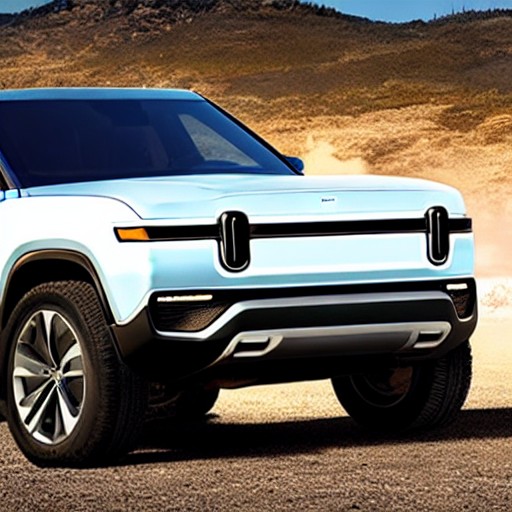
Rivian’s CEO, RJ Scaringe, spent half of the company’s earnings call hyping its self-driving ambitions, despite the R2 SUV still scaling up. The firm faces a crucial test later this year with the rollout of its point-to-point hands-free driving feature, initially for employees, and later to customers. Success is not guaranteed; Rivian is competing with Tesla’s massive head start and significant financial risks.
Derek Mulvey, VP for finance, believes autonomy is a primary product differentiator, market share driver, and long-term value creator. However, the feature’s success hinges on it working smoothly and becoming a major purchase criterion. Rivian’s take rate on its Autonomy Plus package has exceeded expectations, but the company still faces significant hurdles, including edge cases and legal challenges.
The point-to-point system will face its own challenges, including potential vehicle crashes that could damage Rivian’s reputation. The company will need to balance the costs of AI development and expensive hardware with the need to build the R2 at scale. The next year or two will be critical for Rivian’s future in the autonomous vehicle market.






