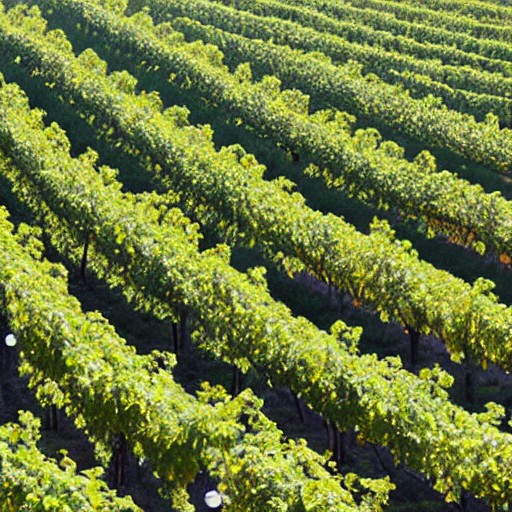
More than 500 vineyards are scattered across the slopes and valleys of South Africa’s Western Cape, one of the world’s most biologically diverse landscapes. Despite climate challenges, winemakers are embracing sustainability to secure their future.
The region produces around 90 percent of South Africa’s wine, but vineyards are increasingly strained by drought, heat and erratic rainfall. In the late 2010s, three years of severe drought significantly impacted grape production, forcing growers to adapt.
Our research, involving geographers and sustainability scientists, found that many vineyard operators see conservation not as a constraint, but as a key strategy for long-term business success. The Western Cape’s Cape Floral Region, a global biodiversity hot spot, includes unique biomes like fynbos, home to thousands of endemic plant species.
By integrating conservation into vineyard management, winemakers are fostering a healthier environment and more resilient crops. This approach not only preserves biodiversity but also enhances soil health and reduces water usage, making vineyards more sustainable in the face of climate change.
The success of this model could inspire other industries to rethink their approach to sustainability, proving that protecting the environment can be good for business.






