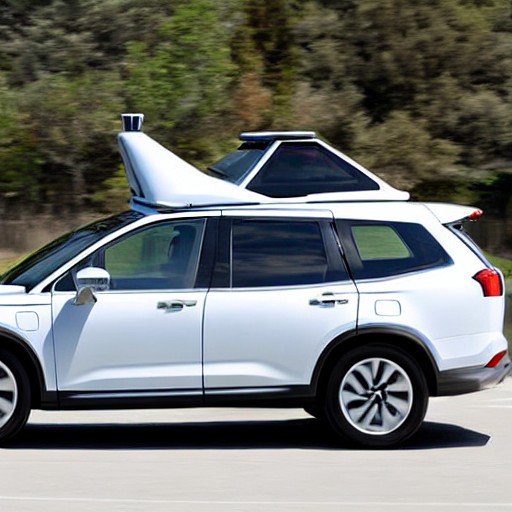
Uber and Nuro have begun testing driverless Lucid Gravity SUVs on public streets in the San Francisco Bay Area, more than six months after receiving the necessary permit. This move heralds a final push towards a commercial robotaxi service set to launch in the first quarter of 2027.
The companies, having signed a $800 million deal, will soon offer driverless rides to employees, building towards their ambitious plan. This plan, launched just 16 months ago, saw Uber invest heavily in both Lucid and Nuro, providing crucial backing for their respective products.
The partnership also included a commitment from Uber to purchase at least 20,000 Lucid Gravity SUVs over six years, securing a revenue stream for the struggling EV maker. Nuro, meanwhile, pivoted from its delivery vehicle focus to licensing autonomous vehicle technology, making this move a logical next step.
The testing in San Francisco is complemented by similar tests in Houston, with Nuro supplementing real-world data with closed-course and simulation testing. As Lucid begins manufacturing the first production versions of the robotaxis in Arizona, the engineering fleet is expanding, now numbering over 100 autonomous vehicles.
The Lucid Gravity robotaxi is equipped with high-resolution cameras, solid-state lidar sensors, and radars, ensuring it can operate in the real world. Uber’s focus on the in-cabin experience means riders will have a seamless interaction with the vehicle, setting the stage for a smoother transition to the driverless future.






