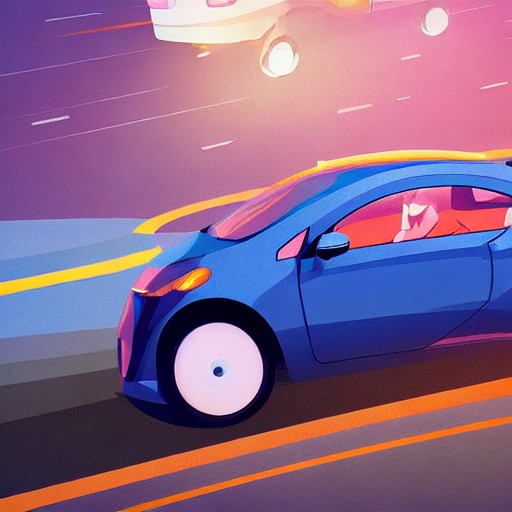
Why are tiny cars taking off across Europe? In France, Selena Buse, 16, drives her Citroën Ami, a futuristic vehicle that looks like a toaster. She uses it to get to school and visit friends in rural areas, where it’s indispensable.
In Europe, mini-car sales have grown from 30,000 to 60,000 in the past five years, with teenagers now accounting for a quarter of all sales. In France, registrations have risen from 13,000 in 2019 to around 25,000 last year. In Germany, you can drive one from 15, and in the UK, from 16.
For Daniel Laprès, a 77-year-old who lives in a French countryside village, a micro-car from Aixam is a solution to driving without a licence. However, he feels less safe in his small car, describing it as 'little more than a tin can on wheels.'
Despite being forbidden on motorways, these cars are becoming more popular, with the launch of the electric Citroën Ami in 2020. By 2026, more than 67% of new licence-free cars will be electric. The trend was encouraged by stricter EU regulations on motorised two-wheelers, which had been the vehicle of choice for European teenagers.
While the market traditionally included people who had lost their licences, the introduction of these electric minicars has changed the customer profile, with teenagers increasingly choosing them over scooters or mopeds for safety and protection from the weather.