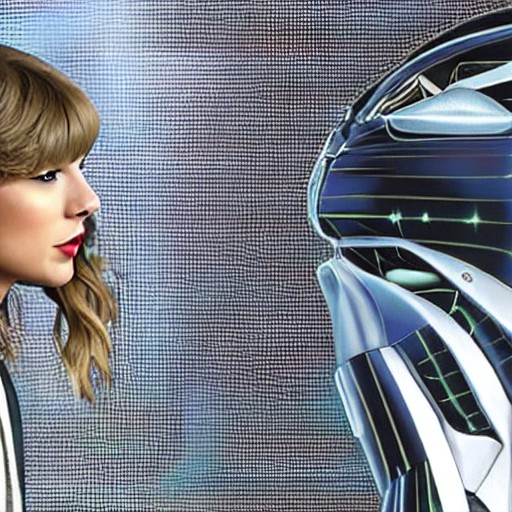
Taylor Swift has filed trademark applications for phrases she frequently uses, potentially paving the way to combat AI-generated copies of her voice. This move comes as artists struggle with the rise of AI-generated music, where copyrights only cover the song but not the artist’s unique vocal performance.
Trademark applications could offer a new legal weapon against such imitations, as they protect not just exact reproductions but also ‘confusingly similar’ imitations. However, legal experts remain skeptical about their effectiveness, pointing out that Swift’s audio clip may need to be re-submitted to satisfy use requirements.
Swift is not alone; Matthew McConaughey has similarly obtained trademarks for his video clips to protect against AI misuse. Yet, the absence of a broader framework specifically addressing AI soundalikes means artists like Swift are left with limited legal avenues.
The situation highlights the complex intersection between technology and copyright law, where traditional protections may fall short in the face of AI-generated content. As this trend continues, it’s likely other celebrities will follow Swift’s lead, seeking to strengthen their legal positions against potential AI threats.