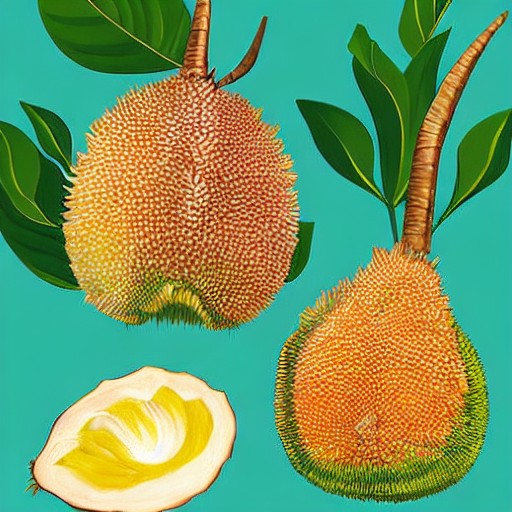
Ashoka Shivareddy, a farmer turned software engineer from Kolar, India, has found a way to thrive despite water scarcity. His custard apple trees, planted closer together than usual, yield up to 25 tonnes per year, making them an economically viable option in their drought-prone region.
But growing custard apples isn’t without its challenges. The traditional Balangar variety has a short shelf life and high seed count. Dr Sakthivel T from IIHR developed the Arka Sahan hybrid, which can survive for up to a week at room temperature and is less wasteful due to fewer seeds and more pulp.
In Maharashtra, Navnath Malhari Kaspate has been breeding custard apple varieties for over two decades. His NMK-01 variety has revolutionized exports, with Manoj Kumar Barai exporting it to the US, UAE, Saudi Arabia and Europe. However, exporting such a delicate fruit requires meticulous planning and temperature control to ensure its shelf life.
Custard apples are not just filling bellies; they're also filling freezers. Pulp from these fruits is used in ice cream, milkshakes, and even pulp-shot cafes, making them a vital ingredient for the processed food industry. Shivareddy hopes to expand his business by selling both whole fruits and pulp.
Despite its natural hardiness, custard apple sits at an interesting intersection: demand is rising but farming hasn’t fully embraced high-tech solutions yet. As technology advances, so too will our understanding of this versatile fruit’s potential in the global market.