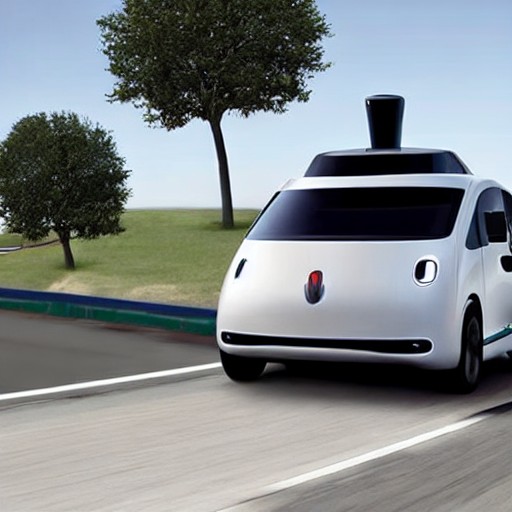
Waymo has developed a virtual driver called ReD that helps its autonomous vehicles anticipate and handle real-world surprises. This cognitive model, based on active inference principles, mimics how humans judge threats and react to unexpected situations on the road.
The new Reference Driver (ReD) model works as a behavioral crash test dummy, designed to evaluate how well a self-driving car can avoid dangerous scenarios. It considers factors like looming, traffic norms, and even how drivers handle gas and brake pedals simultaneously. By grounding its model in human cognitive traits, Waymo aims to establish shared safety standards for the autonomous vehicle industry.
According to Mauricio Peña, Chief Safety Officer at Waymo: 'By establishing this reference model of a competent human response, we can help the industry move toward a shared, scientifically grounded approach for evaluating collision-avoidance behavior.' The company hopes to collaborate with researchers and regulators to standardize these safety benchmarks.
The ReD model isn’t just reactive; it’s proactive. By continuously calculating surprise, Waymo's AI driver anticipates risks early and adjusts its driving before conflicts arise. This could help make autonomous vehicles safer for everyone on the road.