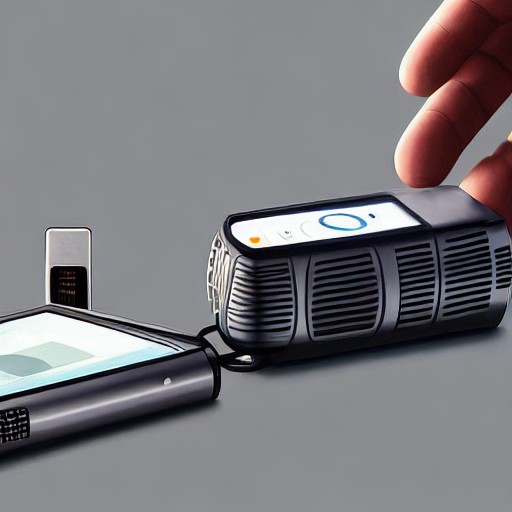
A cyberattack on Intoxalock, a major manufacturer of breathalyzer systems for cars, has left drivers across the United States stranded. The company's servers are down, preventing periodic calibrations needed to start vehicles, with some users reporting they’re stuck in their parked cars through no fault of their own.
While Intoxalock is offering 10-day extensions and towing services for those affected, the incident highlights the risks of relying on technology that can fail at critical moments. The FBI’s recent admission to buying phone location data has raised concerns about privacy and surveillance practices, as well as potential exploitation by hackers.
In Maryland, an Iranian-linked hack on medical equipment firm Stryker disrupted emergency services, forcing clinicians to rely on verbal descriptions and radio consultations. This incident underscores the vulnerabilities in healthcare technology and the far-reaching impact of cyberattacks on essential services.
The FBI’s practices have been scrutinized by lawmakers who fear that commercial data brokers are circumventing legal protections against unwarranted surveillance. The tension between technological convenience and privacy is at the heart of these issues, as we grapple with the balance between security and individual rights in an increasingly digital world.