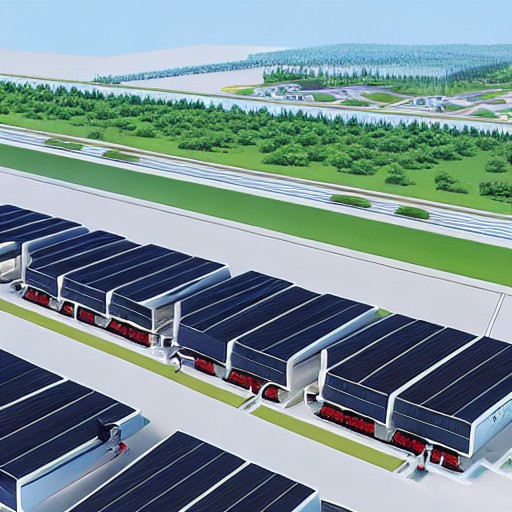
The fight against AI data centers is just beginning, with community pushback from across the US and beyond making some companies reconsider their plans. Years before the AI revolution, a small group of protesters in Ireland set the stage for today's battles. Apple’s attempt to build a $1 billion facility in Athenry was met with complaints about noise, light pollution, flooding, traffic, and impact on local wildlife. Despite approval from the independent planning board in 2016, residents applied for judicial review, ultimately leading Apple to call off its plans.
While data centers for cloud storage have become widespread, they are now facing increasing scrutiny as AI data centers consume vast amounts of energy, equivalent to entire states or even cities. The US Energy Information Administration predicts that demand will double by 2027. Residents are flooding town halls with concerns about rising energy costs and local water quality issues.
Protests have blocked or delayed at least $130 billion worth of projects valued in the US, with over 235,000 petition signatures collected in a single quarter. Notable examples include QTS dropping plans to build a $12 billion campus in DeForest, Wisconsin, and a planned data center in Delaware City facing roadblocks due to its location on state shorelines.
A political battle is brewing as Congress grapples with the issue. President Trump’s plan to fast-track AI data centers faces opposition from some Republican candidates who are distancing themselves from his stance. Meanwhile, legislation such as the Ratepayer Protection Act and the Guaranteeing Rate Insulation from Data Centers (GRID) Act aims to regulate these facilities to protect residents.
As new proposals emerge, local governments are stepping in to regulate AI data centers. The battle is far from over, raising questions about how much power the tech giants will wield over our communities and energy grids.