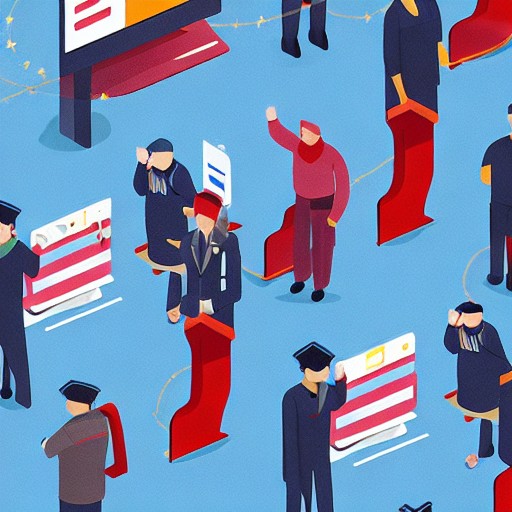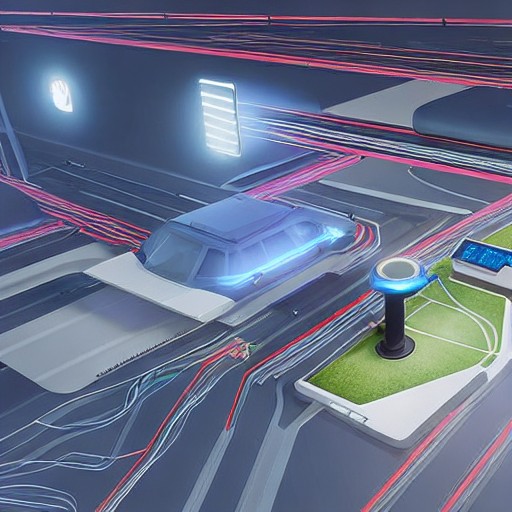
From Fort Worth to Brooklyn, tech companies are peddling their wares to police departments across the US. Facial recognition, chatbots and predictive analytics—AI is transforming how officers do their job.
The promise: automation of routine tasks so humans can focus on the ‘big picture’. The reality: a concerning shift in who makes decisions about our safety, with little oversight or accountability.
‘A lot of it is sales gimmicks that don’t actually deliver,’ says Abrem Ayana, a police captain. Yet, as data collection increases, so does the risk of bias and error.
‘We don’t use the “p word” at all,’ says Jason Truppi from ForceMetrics, referring to predictive policing. But critics fear black box algorithms could erode public trust in law enforcement.
As AI infiltrates every aspect of policing, the line between human judgement and machine decision-making is becoming increasingly blurred. Is this progress or a slippery slope?