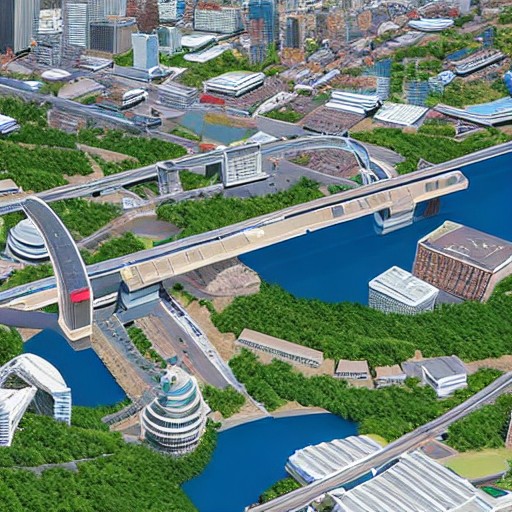
Google has pulled a much-anticipated but short-lived feature from its Google Earth platform last Thursday. This tool allowed users to create AI-generated imagery with text prompts, raising eyebrows for its ease of use in potentially misleading content.
The backlash began quickly after Dutch geospatial journalist Henk van Ess uploaded images he created that included fictional events such as refugees near the Mexican border and a bomb crater outside a Gaza hospital. Google’s initial response acknowledged the watermark but warned against harmful topics, yet it was clear the feature had already caused concern.
Van Ess also highlighted the tool's potential to evade detection, testing Hive’s AI detection system with a video generated in Google Earth and noting that nothing was declined or altered. This raised serious questions about how reliable such imagery could be when combined with sophisticated AI tools.
The rapid rollback indicates the challenges of balancing innovation with public perception. Geospatial professionals had been using similar tools for useful purposes, but the risks of misuse overshadowed these benefits in this instance. Google’s decision now forces users to rely on conventional methods and perhaps more cautious approaches.


