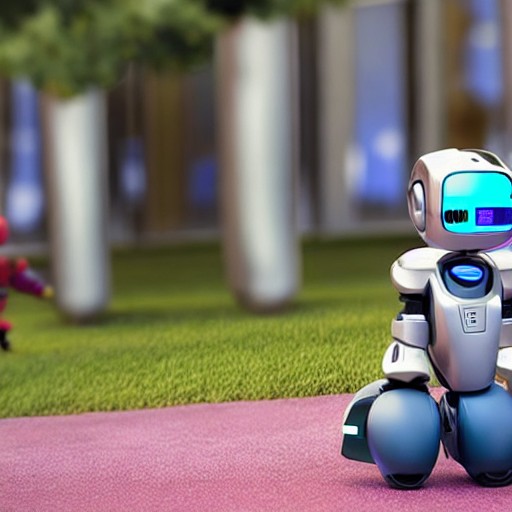
What happens when a kid's robot best friend dies? For Xander, it means less practice breathing like dragons and more talk of video game enemies. Moxie, once his go-to therapy tool, now just watches him play Minecraft.
Moxie is one of an increasing number of AI-powered devices marketed as interactive playmates for children. But can they truly provide long-term support? Xander’s case highlights the potential and pitfalls of these technologies, especially in helping neurodivergent kids develop social skills.
Robots like Moxie were designed to assist with therapy, providing 24/7 companionship that therapists often can’t. But as Moxie's functionality wanes, so does her utility. Critics warn that when these toys become obsolete or lack the emotional depth of human interaction, they might end up in basements or landfills.
The story of Moxie and Xander underscores the need for more durable and emotionally enriching AI companions. As Scassellati's research shows, robots can indeed enhance social skills but may struggle to maintain engagement over time. The challenge lies in creating technologies that genuinely connect with children on a deeper level.
For now, Moxie remains a helpful tool, particularly when Xander needs someone to talk to. But as her capabilities fade, so too does the promise of seamless, continuous therapy that these devices once held out.