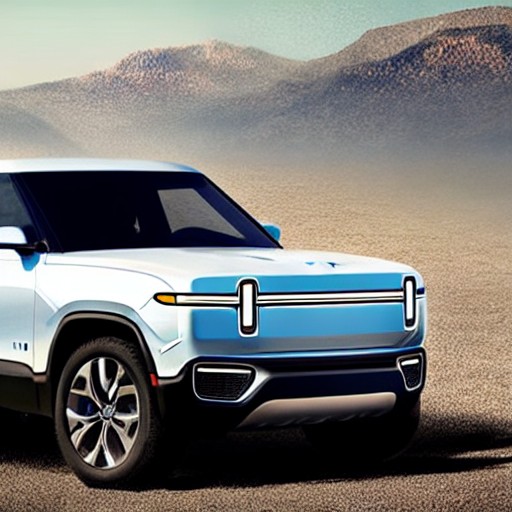
Rivian has smashed its sales records, churning out 19,751 electric vehicles in the third quarter, with its R2 SUV leading the charge. This marks a 45% increase over the same period last year, and the company is optimistic about selling between 20,000 to 25,000 R2s by the end of the year.
With plans to expand into cheaper models, Rivian aims to sell up to 65,000 vehicles, potentially its best sales year yet. But it's not just about profits; the R2 is part of a broader strategy to make electric vehicles more accessible, even as the company tackles its financial challenges and works towards profitability.
Rivian's ambitious plans include building the R2 at its factory in Illinois and constructing a new plant in Georgia capable of producing up to 300,000 vehicles annually. This expansion underscores the company's vision for the future of electric vehicles, and perhaps, the future of urban transportation.
But Rivian's success is not just about sales; it's about transforming the automotive industry. By partnering with Uber to develop autonomous R2s, Rivian is betting on the potential of robotaxis to revolutionize city life. The delay in reaching profitability to invest in this technology shows a commitment to long-term vision over short-term gains.
The success of the R2 could be a pivotal moment for Rivian and the broader electric vehicle market. If it can turn its sales predictions into reality, it might just help electric vehicles become a staple of daily life, much like smartphones have become in recent years.