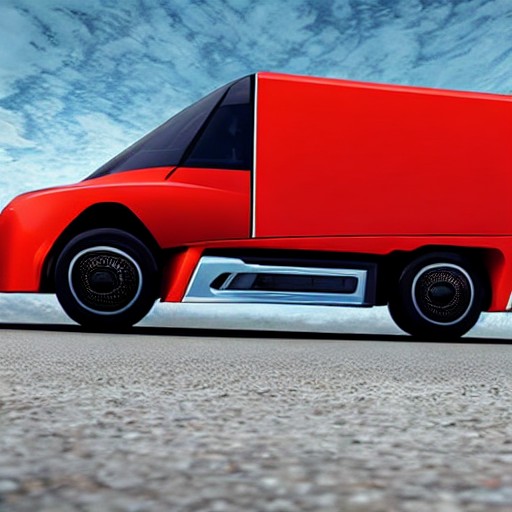
Tesla will cease production of the Cybertruck at its Texas Gigafactory next year, marking a shift towards smaller electric vehicles (EVs). The Cybertruck's massive 123 kilowatt-hour battery, which weighed about a quarter of the vehicle, is now passé. Recent cancellations of big trucks, such as Ford’s F-150 Lightning, indicate a trend towards more compact models.
Startups like Slate are launching tiny electric pickups with smaller batteries, seeing a surge in preorders. Meanwhile, Rivian’s R2 and R3 models promise a more streamlined approach. While big EVs like the Kia EV9 and R1S remain popular, the future seems to lie in smaller, more affordable vehicles.
Smaller vehicles mean cheaper construction and better utilization of the limited battery supply chain. This shift could also help meet increased demand for EVs, especially if there's a revival of government incentives for EV buyers.
Despite the Cybertruck's demise, Tesla’s plans to produce smaller Cybercabs suggest the market is moving towards more modest, practical EVs. As the world continues to grapple with rising costs and environmental concerns, the trend towards smaller EVs seems inevitable.