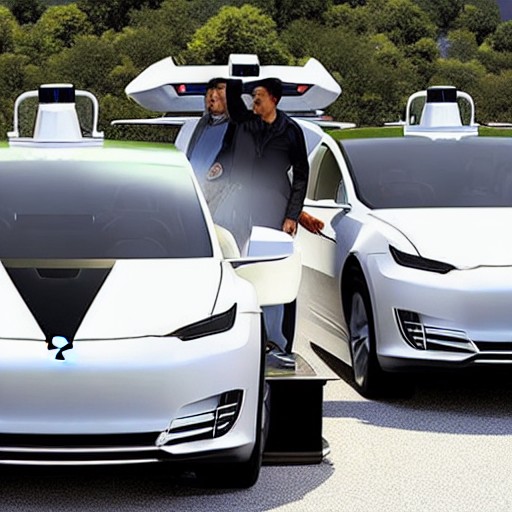
Tesla has unveiled its Cybercab, a two-seater autonomous vehicle, inviting select customers to purchase one for a hefty $29,900. However, the catch is that owners will need to keep their wallets open; a mandatory $299 monthly subscription is required for the car to function. This model of ownership raises questions about the true cost of self-driving technology.
The autonomy subscription is non-negotiable, with Tesla reserving the right to suspend or cancel it for any unauthorized or inappropriate use. Furthermore, the vehicle’s operations are strictly limited to designated areas in Florida and Texas, and connectivity issues can also render the car inoperable. One commentator notes that buying a Cybercab is more akin to entering a franchise than acquiring a traditional vehicle.
Despite its technological advancements, the Cybercab’s business model seems to blur the lines between ownership and subscription. Ivan Drury, the director of insights at Edmunds, suggests that this model might redefine what it means to ‘own’ a car in the age of autonomous technology. Tesla’s approach to ownership is clearly designed to keep customers engaged with the brand, but it also raises ethical questions about consumer rights and the future of vehicle ownership.