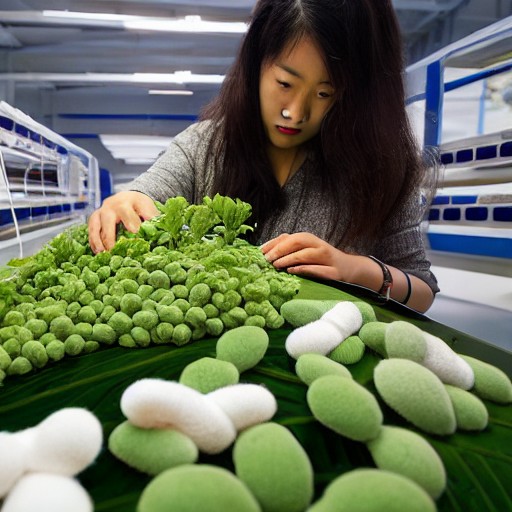
Six years ago, Dr Jolapuram Umamaheswari left her job in Singapore to become a silk farmer. Her background in science helped her overcome early challenges like disease outbreaks and inconsistent yields.
Modern sericulture is seeing a digital and biotechnological revolution, with companies like Asho Farms using sensors and AI to monitor silkworm health. India, the world's second-biggest silk producer, boasts four unique varieties of silk.
The Central Silk Board is researching genome editing to create disease-resistant silkworms, while farmers are looking at ways to utilise by-products from silk making for animal feed. However, concerns remain over whether farmers can meet demand.
For Umamaheswari, the rewards of sericulture lie in its regular returns and ability to apply her scientific knowledge practically. She plans to add a cow shed to her farm to boost income further.