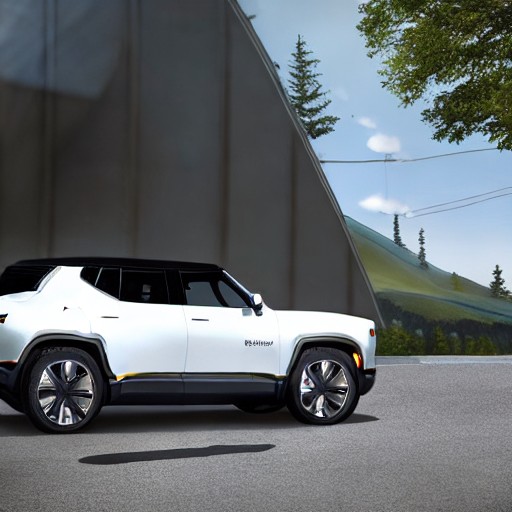
Rivian has scaled back its loan from the Department of Energy to $4.5 billion but is ramping up plans for its Georgia factory to produce a whopping 300,000 vehicles—a 50% increase over initial projections.
The company anticipates early 2027 drawdown and hopes this will lower per-unit costs and allow room for future expansion. Some of the increased capacity will be dedicated to R2 robotaxis destined for Uber, with a potential order of up to 40,000 more vehicles by 2030.
Rivian's revenue surged in Q1 2026, with $908 million from vehicle sales and $473 million from software services. However, the company still reported a net loss of $416 million after a gain from a capital raise related to its new startup Mind Robotics.
With R&D costs up by 20% as it races to develop autonomous vehicle technology, Rivian’s future hinges on meeting ambitious milestones set by Uber and maintaining financial discipline amid rising expenses.


