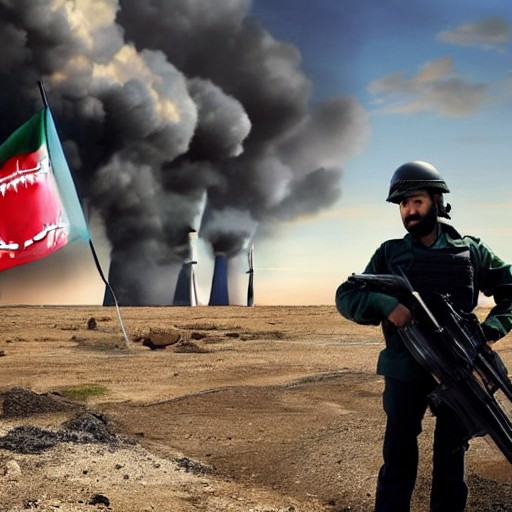
The ongoing conflict in Iran has escalated to unprecedented levels, with both Israel and Iran launching strikes on critical oil and gas infrastructure. Analysts warn that this could push the world towards its worst-case scenario for energy markets.
Missile attacks have damaged key facilities, notably Qatar's largest LNG export plant, which produces about 20% of global supply. The CEO of state-owned Qatari oil company has declared force majeure on contracts due to significant damage.
The situation is so extreme that it’s being compared to teaching exercises for first-year oil analysts, illustrating the dire consequences of such a conflict. Oil prices have surged past $100 per barrel, with fears of sustained higher costs as long-term damage persists.
Financial experts predict that if the war drags on and continues targeting energy infrastructure, it could result in 'depressionary' economic conditions, similar to the impact of the 2020 pandemic but without its mitigating factors. Americans will feel this directly at the pump, with higher fuel prices leading to increased costs across various goods.
The ripple effects extend beyond oil, choking off critical global commodity supplies like petrochemicals and semiconductors. Key fertilizers are also experiencing soaring prices due to supply disruptions in the Gulf region.