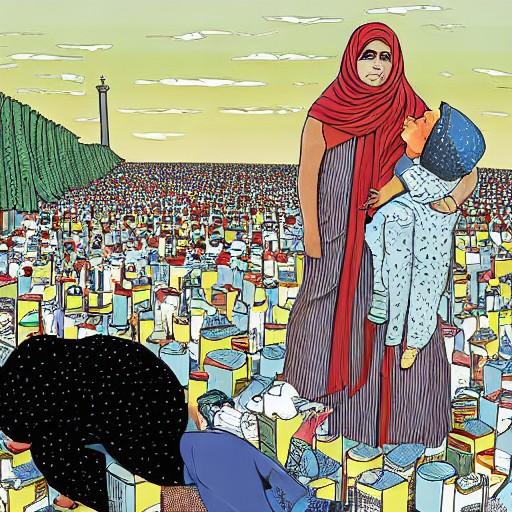
Gauze, long hailed as an everyday miracle, has become a rare commodity in Gaza. At Al-Shifa Hospital, healthcare providers must ration what little they have months into a supposed ceasefire. The irony of relying on the very material named after their homeland underscores the dire situation faced by Gazans.
Healthcare infrastructure in Gaza is decimated, with only 14 out of 36 hospitals operational. Two years of relentless military attacks have left doctors overwhelmed and resources scarce. A genuine ceasefire would be challenging; what follows is a public-health crisis that feels more like a continuation of the genocide, as described by international doctor Nahreen Ahmed.
The Israel Defense Forces (IDF) included Gaza hospitals in their campaign of destruction, coining the term ‘domicide.’ Despite announcements of ceasefires, foreign doctors smuggle medical supplies into Gaza, risking banishment. The reality is that patients continue to suffer from both ongoing attacks and a lack of critical resources.
Between mid-October 2025 and mid-February, Israel killed over 600 people, with the official death toll exceeding 72,000, an undercount. The Rafah crossing remains largely closed, leaving thousands in desperate need of medical care unable to access it.
While Gaza continues to serve as a testing ground for Israeli military innovations, its hospitals struggle to provide even basic care. For the international community, the question is: will this crisis galvanize action or continue the cycle of suffering?