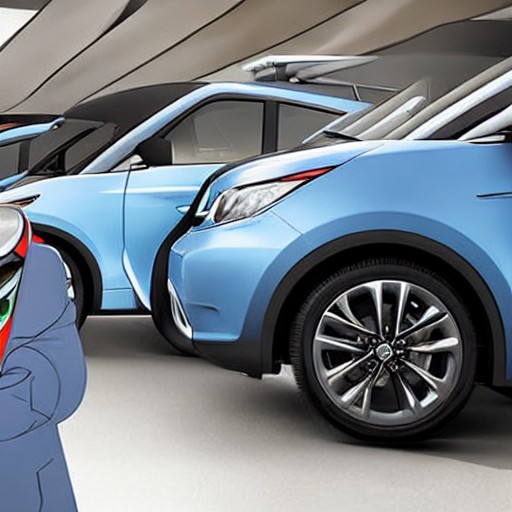
The 119th Congress has proposed a new transportation bill that includes an annual fee of $130 for electric vehicle (EV) owners. The bill, known as the 'Building Unrivaled Infrastructure and Long-term Development for America’s 250th Act,' sets out to address the decline in funding from traditional gasoline taxes. As electric vehicles become more popular, they are now expected to contribute their fair share to road maintenance.
Sam Graves, the committee chairperson, stated: 'I’m extremely proud of the historic level of investment in America’s bridges—at more than $50 billion, it’s the largest such investment in our history. And the BUILD America 250 Act ensures that electric vehicle owners begin paying their fair share for the use of our roads.' This fee will start at $130 and increase by $5 annually until 2029, when it will reach $150.
Plug-in hybrid vehicles (PHEVs) are not exempt from this charge; they will pay a $35 annual fee that increases to $50. If state departments of transport fail to collect these federal EV taxes, the federal government will withhold an amount equal to 125 percent of the owed funds from the state’s highway apportionment. The reasoning behind this is straightforward: as fuel-efficient PHEVs and all-electric cars become more prevalent, traditional funding sources for road maintenance are dwindling.
The increase in fees reflects the growing use of EVs, which have a slightly higher curb weight than conventional vehicles, thus causing a bit more wear on roads. However, passenger vehicles still make up only a small fraction of overall damage compared to heavier commercial vehicles like garbage trucks and tractor-trailers. Despite this, the bill’s supporters argue that electric vehicle owners should contribute to the upkeep of the national road network.
This move could signal a shift in how America funds its infrastructure, potentially paving the way for a more equitable distribution of costs among various users of the transportation system. However, it also raises questions about whether EVs are truly being treated as legitimate vehicles or if they're facing an unfair tax burden.