Last year, the US grid saw a brief dip in its long-term decline of coal use as data-center demand rose. However, this trend has since reversed, with renewable energy sources such as solar and hydroelectric power becoming the dominant force.
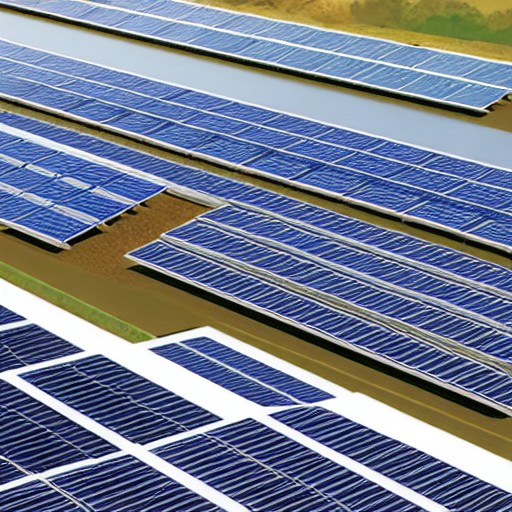
Despite an unusual start to 2026, characterized by unseasonal warmth in the west and a deep freeze in the east, overall electricity demand in the US grew by only 1.5% year-over-year. This modest increase was largely offset by the impressive growth of solar energy, which saw output rise by 24% compared to the previous quarter.
Renewables as a whole—comprising wind, solar, and hydroelectric power—showed an overall growth of 11%, or about 1.8 times the rate of demand increase. This leaves little room for fossil fuels, particularly coal, which saw its usage drop by over 3% year-over-year.
The notable exception was natural gas, whose use actually grew slightly in the first quarter. However, as the conflict in the Persian Gulf drives up global prices, this could change in coming months and potentially impact the decline of coal significantly.