Ever since the MacBook Neo was announced this spring, I've been looking for a serious alternative. Not a cheap knockoff that sacrifices quality for price. No, no. I was hunting for a Windows laptop with the same goal as the MacBook Neo—hiding its compromises and delivering an otherwise premium laptop at a lower cost. For months, it was crickets.
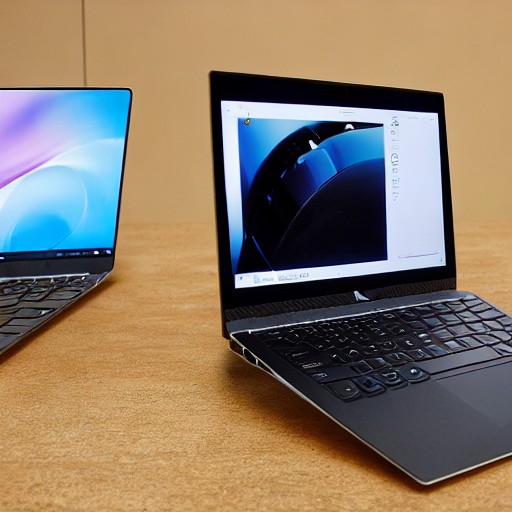
Then, the Dell XPS 13 showed up on my doorstep, and it understood the assignment. For many reasons, this was the one I'd been waiting for. But the question remains: Is it actually the better budget laptop? The answer surprised me when I dug into the testing.
Hidden Compromises
When the MacBook Neo was originally announced, it was a shocker. Apple coming in at the $599 price point for the base configuration felt unreal. Apple had never in its history brought the MacBook to such a low price. Even at its new $699 starting price, it's in unprecedented territory. Importantly, this encroached on the territory of Windows laptops, where it has traditionally had a monopoly.
And while many Windows laptops are available at this price, they suffer from many of the same problems, such as cheap materials or corners cut with low-quality displays and touchpads. Even a cheap laptop I like quite a bit, like the HP OmniBook 5 (with the Snapdragon X Plus), has a weak point in its touchpad.