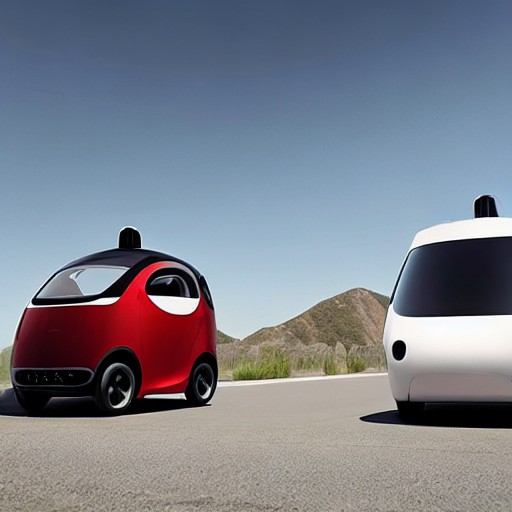
Waymo has unveiled its latest robotaxi model, the Ojai, in Los Angeles, Phoenix and San Francisco. This cheaper alternative is equipped with the company's sixth-generation self-driving technology and a redesigned user interface.
The Ojai marks a significant step towards Waymo’s long-term goal of mass-scale operations, although it faces challenges due to high import tariffs on vehicles produced in China. The vehicle is built on Zeekr’s SEA-M platform, designed for affordability and durability, but this comes with the added cost of tariffs.
While the Ojai offers a cheaper and more efficient option compared to its predecessor, the Jaguar I-Pace, it's not without its drawbacks. Waymo plans to roll out the new model in Denver, Las Vegas and San Diego later this year, aiming for 5,000 units by the end of 2026.
This expansion underscores Waymo’s commitment to autonomous transport but also highlights the complex economic landscape they must navigate. As more cities embrace these robotic vehicles, the question remains: will the cost be worth the convenience?