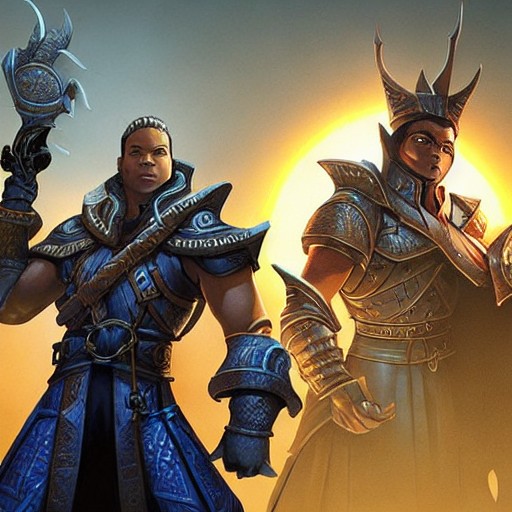
Neverwinter Nights, a game from a world before smartphones and battle passes, continues to enchant its community. Its unique blend of modding, multiplayer and a deep story has kept thousands of players engaged, long after its initial release. BioWare, known for their single-player RPGs, took a different approach with Neverwinter Nights, focusing on community-building and tabletop role-playing in video form. This game’s enduring popularity challenges the notion that modern gaming trends, like always-on multiplayer, are the only way to keep players coming back.
The game’s success lies not in what we might expect from its age, like selling cosmetics or subscription services. Instead, it was born from a passion for tabletop role-playing and a desire to bring that experience to a wider audience. Its legacy is a testament to the enduring appeal of immersive, interactive storytelling, and the power of a community built around shared creativity and play.
Despite its age, Neverwinter Nights isn’t alone in its longevity; it’s part of a broader trend of classic games finding new life through modern communities. As gaming evolves, the lessons from classics like Neverwinter Nights remain relevant, reminding developers and players alike that sometimes, the best games are the ones that let us create and share our own stories.