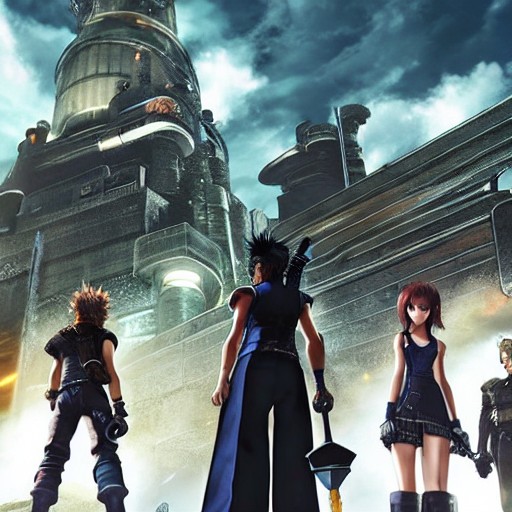
Naoki Hamaguchi, the driving force behind Final Fantasy VII Revelation, speaks with a serene composure as the game nears its release. Despite the monumental effort that went into the decade-long remake, he remains unfazed, attributing his tranquillity to the quick passage of time. The original Final Fantasy VII, a seminal title in gaming history, was a cultural phenomenon, marking a significant shift in the medium’s trajectory.
The remake, however, introduces a twist: rather than a simple visual upgrade, it presents a multilayered narrative, with characters and events hopping between timelines. Hamaguchi rejects the label of a multiverse, favouring the term ‘reunion’ to describe the game’s complex narrative. This approach allows for cosmic variations on the original events, all eventually merging.
The expanded world of Final Fantasy VII Revelation is a testament to this multilayered narrative. Locations like Wutai, once a small, optional area, have been transformed into a bustling city with intricate details and secrets to uncover. The game’s open-world elements, including the Highwind airship, offer players unprecedented freedom to explore and revisit familiar locations, promising multiple playthroughs for thorough exploration.
As Hamaguchi envisions a world where players might need to complete the game several times to uncover all its secrets, the final installment in the trilogy brings in new characters and battles, expanding the game’s depth and challenge. The focus on narrative and world-building over content padding ensures that every aspect of the game feels purposeful and enriching.