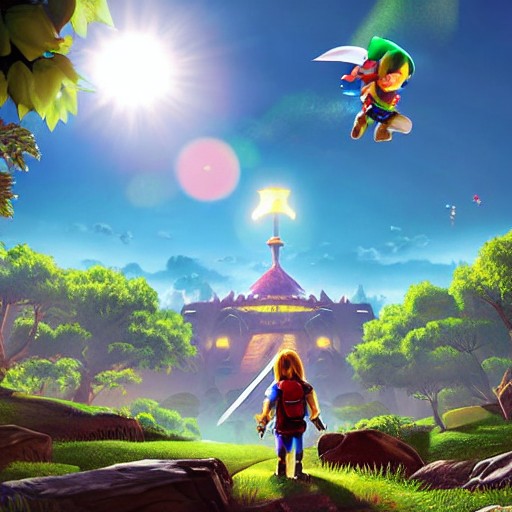
Nintendo’s remake of Ocarina of Time for the Switch 2 is a blend of old and new, as producers Eiji Aonuma and Hidemaro Fujibayashi explain. The team aimed for ‘elegance’ by retaining core elements of the original while updating it with modern graphics and gameplay. Newer members of the team brought fresh perspectives, avoiding unnecessary changes and focusing on essential features.
While much has changed since 1998, the scale and complexity of the production have grown. The remake’s enhanced visuals and improved camera control offer a smoother experience, bridging the gap between the original and contemporary Zelda titles. The team’s careful consideration of player freedom reflects the modern Zelda ethos.
Key features like Z-targeting and the updated Navi guide demonstrate how past solutions continue to influence game design. Aonuma’s observations on the original’s flaws, such as Navi’s overbearing presence, show that even in cherished classics, there’s always room for improvement. The remake’s success lies in maintaining the integrity of the original while ensuring it remains accessible to a new generation.