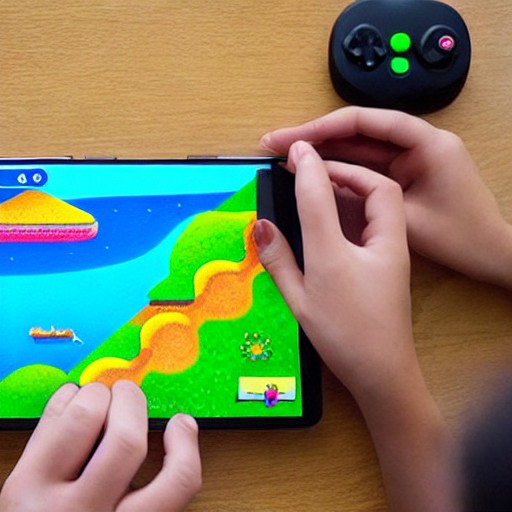
Meta's latest social media app, Pocket, introduces a novel concept where users can generate their own AI-driven video games without needing to code. These 'gizmos'—mini games and digital toys—are shared via the platform’s feed, blending entertainment with accessibility.
The app taps into the growing trend of vibe coding, allowing anyone to quickly create basic games by inputting text prompts. Its user-friendly approach could democratise game creation, making it accessible even for non-programmers.
Meta tested Pocket in Brazil before launching it in the US App Stores. The games can be played, reposted and remixed, creating a social interaction similar to that of Instagram but with a twist of creativity. Each 'gizmo' can use gestures like taps and swipes, as well as camera and audio input for added interactivity.
This move by Meta aligns with its recent experimentation in the tech space, including other projects like Vibe for AI video generation. It signals a shift towards lower-stakes initiatives after some high-profile misfires, such as the ill-fated 'pervert glasses' and questionable investments. Pocket’s aim is to provide a fun, accessible platform for generating content that can be shared widely.
While not aiming for complex game development like Grand Theft Auto, Pocket offers a new way to engage with technology through play, potentially opening up a new realm of social interaction on the internet.