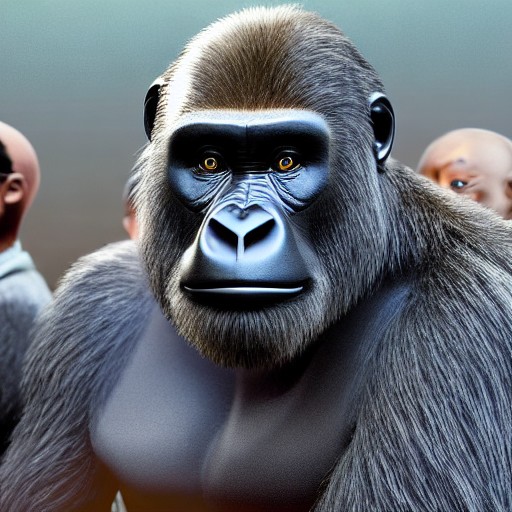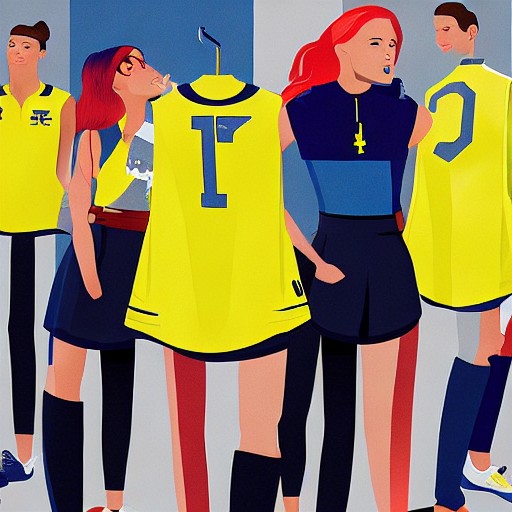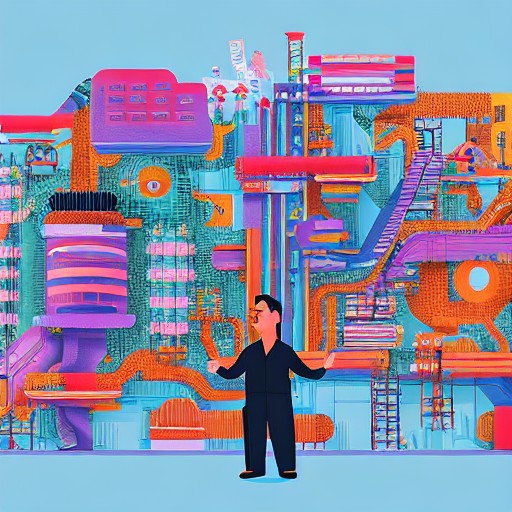
Years ago, 'AI slop' neatly encapsulated the clumsy, botched content that flooded social media. Now, as AI-generated videos become more lifelike, a new term is needed: one that captures the sophisticated, yet troubling, nature of this emerging technology.
A recent Doctor Who fan film on YouTube, generated entirely by AI, was so convincing that it fooled even tech-savvy viewers. High production values, convincing performances, and a compelling story made it a viral hit, despite—or perhaps because of—its origins in artificial intelligence. This raises critical questions about authenticity, consent, and the ethical implications of AI in content creation.
The term 'AI slop' was a succinct and effective descriptor, but it fails to capture the nuance of the new, more polished AI-generated content. We need a new word for this content that is competent, impressive, and raises the same concerns as its clumsier predecessors. This evolution in AI-generated content is not just about aesthetics; it's about the broader implications for society, creativity, and the future of media.
In the age of AI, content is becoming ever more indistinguishable from its human-made counterpart. This presents both a challenge and an opportunity. While the ability to produce high-quality content with minimal human input is revolutionary, it also raises significant ethical questions. How do we ensure that the use of AI in content creation is transparent and fair? How do we protect the rights of creators and consumers in an AI-dominated landscape?
The term 'AI slop' is outliving its usefulness. We need a new phrase to reflect the complex nature of AI-generated content, one that acknowledges its sophistication while still highlighting the broader issues it presents. The future of content creation is AI-driven, and we must navigate this new landscape with care and consideration.