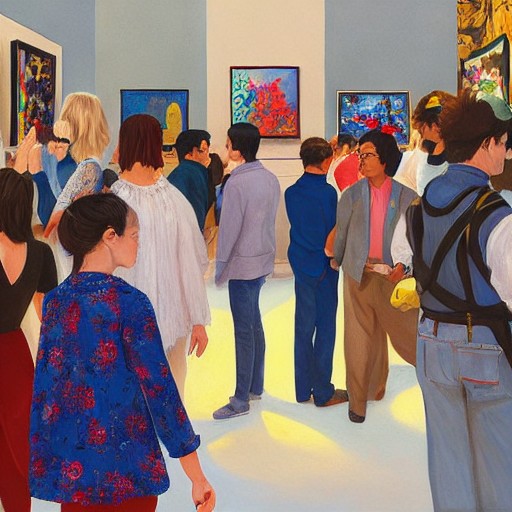
Three paintings greet visitors to the 'Cassirer: Breakthrough of Impressionism' exhibition at Berlin's Alte Nationalgalerie: Edgar Degas’s Miss La La, Pierre-Auguste Renoir’s Lise with a Parasol, and a portrait of Cassirer's daughter, Suzanne Aimée Cassirer, by Max Slevogt. Together, they tell the story of a man who brought French Impressionism to Germany and transformed the art world.
Paul Cassirer, a Berlin dealer, was instrumental in introducing Impressionism to Germany at the turn of the 20th century. He was the primary dealer of French Impressionist paintings in Germany, working closely with artists like Degas and Renoir. His gallery, the Kunstsalon, displayed works by Monet, Manet, Cézanne, and Van Gogh, as well as non-French artists such as Edvard Munch.
Cassirer’s strategy was to repeatedly exhibit unsold works to acclimatise the public to new styles, which led to what was then the largest exhibition of Van Gogh’s works in 1914. However, his efforts were met with resistance from German artists who were advocating for a conservative nationalist vision.
Despite his tragic end, Cassirer’s legacy lives on. He reminds us that the art market is intertwined with the museum, and that transparency in the formation of museum collections is crucial. His story also highlights the influence of French art on German Impressionism, as seen in the works of artists like Curt Hermann.