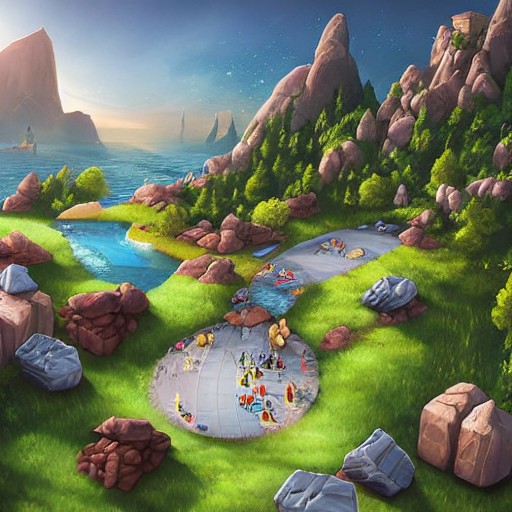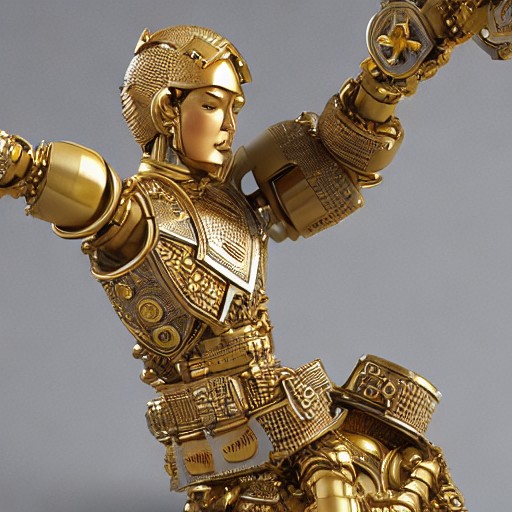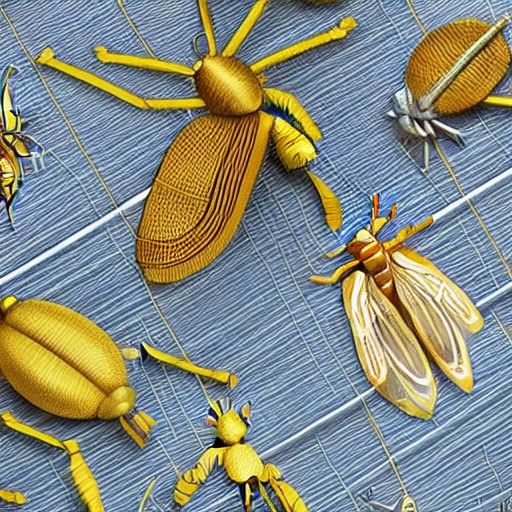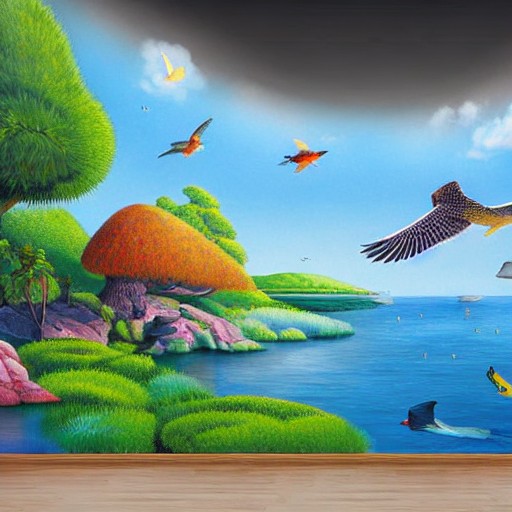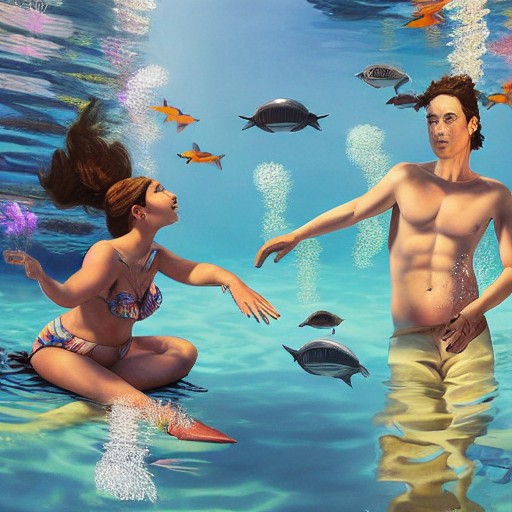
The freelance illustrator sees narrative as vital for inspiring creative decisions in art. This illustration is the result of a 2025 workshop with Paul Scott Canavan, titled Mastering Imaginative Realism. It depicts a merfolk-type figure riding on his shark companion as he hunts for jellyfish leviathans.
Although I don’t depict them, they are an essential part of the narrative; they serve as a background story element to inform and inspire consecutive decisions made during the creation process. Having a solid story idea really helps at all stages and keeps you focused on what’s important.
However, what made the biggest difference on the technical side was using 3D and a proper reference board. Here's how I approached the piece.
01. Thinking in scribbles
For me, drawing is like thinking out loud on canvas. Following that concept, I played around with as many ideas as possible early on, to filter out the bad ideas before committing to a direction.
02. Blending into 3D
I created a 3D base using Daz Studio for posing the main figure. I imported this into Blender to further build out the scene using assets from the Blender Kit library, setting up the lighting and adjusting the models using basic sculpting.
It’s a very useful process if you don’t want to repaint every adjustment from scratch.
03. Paint, paint and even more paint
With a solid 3D base and my reference board and concept sketches on hand, I started the overpainting process in Photoshop whilst paying attention to the overall mood, language, colours and values, etc.
These elements make up the overall contrast: the primary way to guide the viewer’s eye throughout a composition.