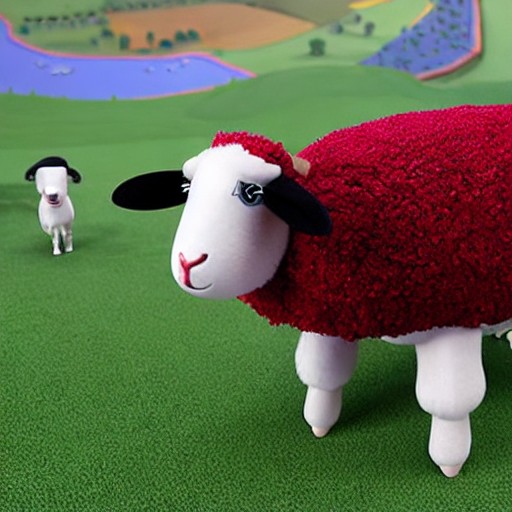
The Kiwibank sheep, Buck, became an internet sensation for all the wrong reasons. As a viral meme, she highlighted the tension between brand control and public interpretation. The bank's attempts to suppress the unauthorised use of her image only amplified the controversy, turning a marketing campaign into a debate about free speech.
The lesson for brands is clear: audiences often feel a sense of ownership over mascots once they become popular. Companies like McDonald's and Duolingo have shown that embracing unexpected narratives can lead to greater visibility and engagement. However, brands must navigate this with care, distinguishing between harmless fan art and genuinely harmful content.
The rise of AI-generated imagery has made it even harder for brands to maintain control over their mascots. Accepting that the attention has value and leaving room for audience creativity might be the wisest strategy. By staying part of the conversation, brands can leverage the chaos of the internet for their benefit.
As Joe, a freelance journalist, points out, the key is to understand that the internet often interprets suppression as evidence that a joke is worth repeating. A humorous response can often diffuse a situation. In 2016, Kellogg's Frosties made a perfect response to furries who were creating Tony the Tiger porn, suggesting they keep things family-friendly.
The smartest strategy might be to accept that the attention has value, leave room for audience creativity, and try to remain part of the conversation after control has inevitably been lost.