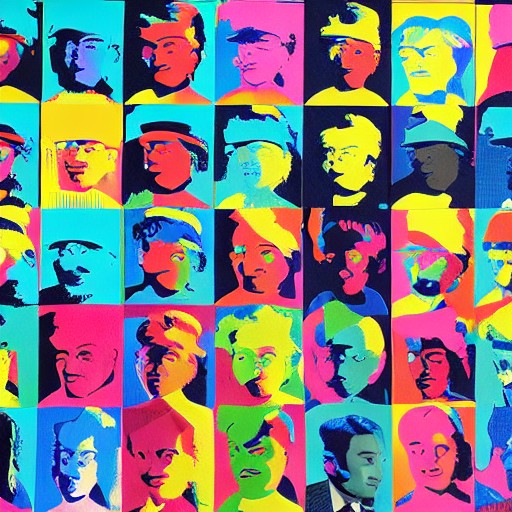
Andy Warhol's Factory wasn't just about production; it was about vision. Between 1962 and 1968, Warhol scaled his creativity by outsourcing execution while nurturing his own taste and judgement. This model of separating inspiration from labour is not new—it’s the backbone of every successful creative enterprise.
At the heart of this strategy lies training your eye. Josef Albers at Yale demanded that students study colour relationships iteratively, teaching them why certain designs work. Daily exercises can help you hone your own discernment by dissecting what you admire and dislike in design.
Trial and error is crucial too. Paul Rand’s critiques forced his students to think deeply about their ideas, pushing them beyond surface-level preferences. Whether it's finding a mentor or critiquing your own work, the process of articulating why something works builds a stronger foundation for creativity.
Bad design teaches just as much as good. Massimo Vignelli saw value in failures, using them to accelerate the development of his eye. Keep a dossier on what doesn’t work and why; it will fast-track your understanding of design principles.
To truly excel, teach what you know. Paul Klee's teaching at the Bauhaus sharpened his own vision as he articulated his creative process. Mentorship and critique can provide invaluable insights into your skills and gaps in knowledge.
The key takeaway is that creativity isn't just about making; it’s also about editing and thinking. As Jessica Walsh puts it, the strongest editors and curators will lead the way in the AI era. The methods for cultivating these skills have been around for centuries, so there's no excuse not to start today.