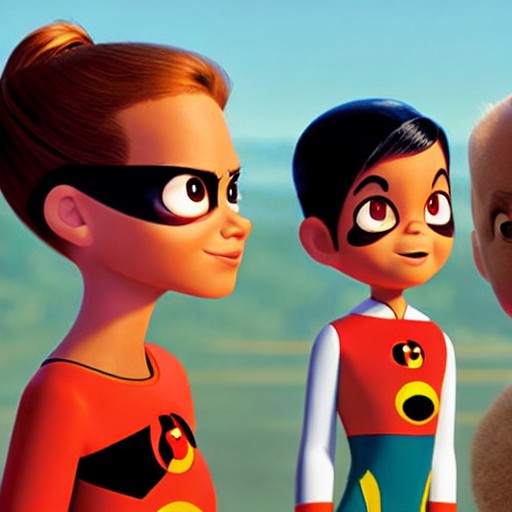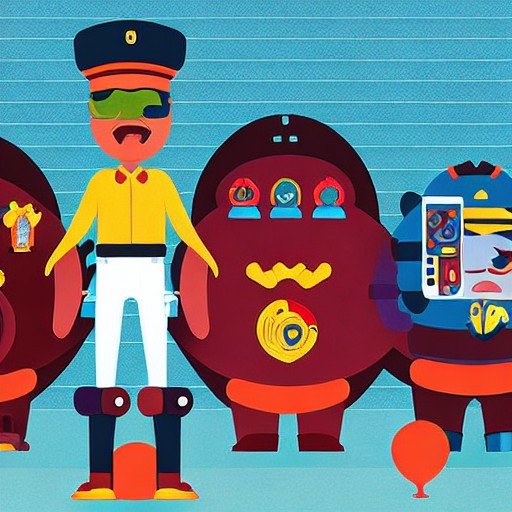
Mascots have come a long way since the days of Quaker Oats Man. Today, they're dynamic characters that engage audiences in real-time. Brands like Duolingo’s owl and Wendy’s personified mascot prove that a well-executed mascot can be more than just an icon—it can drive brand interaction and personality.
However, as brands move towards embracing the complexities of social media, static assets are no longer enough. The rise of AI is supercharging these mascots, making them smarter and more interactive. From Budweiser’s Clydesdales to Swedka Vodka’s AI-generated robots, modern brands are leveraging technology to keep up with rapidly changing cultural landscapes.
This shift isn’t just about creating recognition; it's about delivering a consistent brand experience that can adapt in real time. Slackbot’s return in the new agentic operating system shows how mascots can evolve to fit more complex and dynamic branding strategies, making them essential in both B2C and B2B sectors.
The future of mascots lies not just in their design but in their ability to behave like living entities across multiple platforms. As brands become increasingly involved in real-time conversations with their audience, AI can help ensure that these interactions remain coherent and engaging. This isn't a passing trend; it's the new normal for brand engagement.