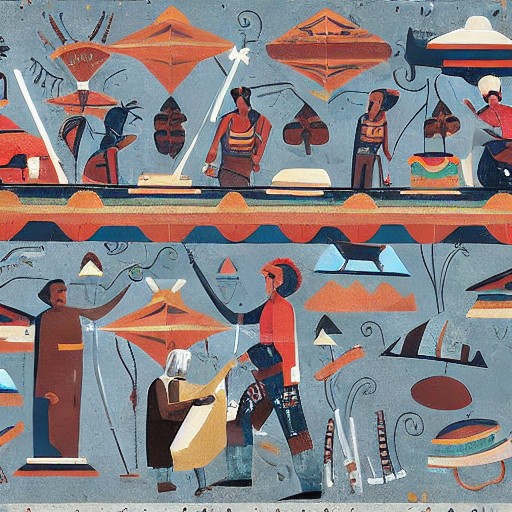
The Northern Lowlands of South America are home to an abundance of rock art, yet few legal protections and only one World Heritage inscription exist. The region faces environmental threats such as erosion and climate-driven extremes, compounded by vandalism and uncontrolled tourism.
This interconnected biocultural landscape, stretching from the Negro-Orinoco-Lake Valencia corridor, represents a shared history that could be better recognised through a joint nomination to the World Heritage List. However, this would require Brazil, Colombia, and Venezuela to treat it as a single heritage, rather than separate national assets.
The current system, described by Lynn Meskell, can turn safeguarding into an obstacle course for countries with lower institutional capacity. The upcoming World Heritage Committee meeting in Busan is crucial; it will determine whether this shared vision can overcome the gridlock and protect South America’s ancient rock art from further degradation.
As archaeologist Laurajane Smith notes, authorized heritage discourse often marginalises Indigenous and Black cultures, valuing European legacies over local meanings. The corridor’s rock art landscapes offer a unique perspective on mobility, exchange, and cultural connectivity that could challenge these biases if recognised as a transnational cultural route.