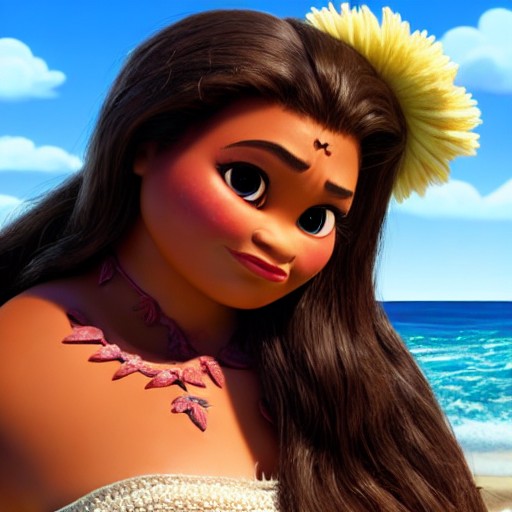
The live-action remake of Disney’s Moana is set to hit cinemas, but its predecessor may surprise you. In 1926, US filmmaker Robert J. Flaherty released a very different Moana, which was more fiction than fact.
This silent film, which lacked a story and instead showcased everyday life in Samoa, laid the groundwork for documentary filmmaking. However, it wasn't as authentic as some might believe. Staged scenes, invented family relationships, and cultural traditions that were no longer practised in 1926 meant Flaherty's Moana was more docufiction than documentary.
Tensions remain over representation and ethnographic romanticisation. While some Samoans view the film with affection as it preserved vanishing cultural traditions, others argue it reflects a colonial gaze based on Western fantasies of a primitive Eden.
Disney’s 2016 animation consulted with experts to ensure cultural accuracy but still faces criticism for perpetuating stereotypes. The live-action remake, starring Catherine Lagaʻaia, aims to empower Moana as an authentic Pacific heroine. Yet, the debate over authenticity in media representation continues.