When French President Emmanuel Macron visited Damascus in early July, he pledged support for Syria's rebuilding efforts, focusing on the country's economic revival. However, a significant part of this diplomatic visit involved returning 23 artifacts to their homeland. These items, dating from the ninth millennium BCE to the 14th and 15th centuries A.D., were originally borrowed for an exhibition at the Arab World Institute in Paris 15 years ago.
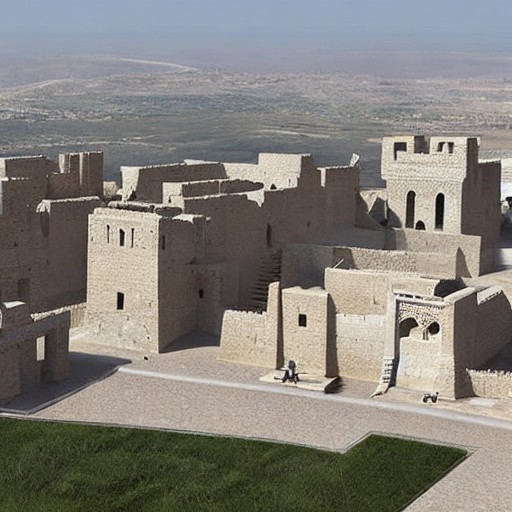
According to a report by the Associated Press, Macron personally transported these treasures on his presidential plane and delivered them to Syria’s National Museum. The objects are now on view as part of a summer festival at the Damascus Citadel, a UNESCO World Heritage site that has recently reopened after years of conflict.
A selection of these artifacts is displayed in the citadel's Throne Hall, including funerary sculptures and relief objects from ancient Roman times. Abdurrahman Amer, a festival official, highlighted the significance: 'People are visiting this citadel for the first time in their lives. The return of these historical artifacts and their reunion with Syrians after many years is creating great happiness and excitement.'
This gesture by France is part of a broader trend where nations are beginning to recognize the importance of returning cultural artifacts to their countries of origin, allowing people to reconnect with their heritage.