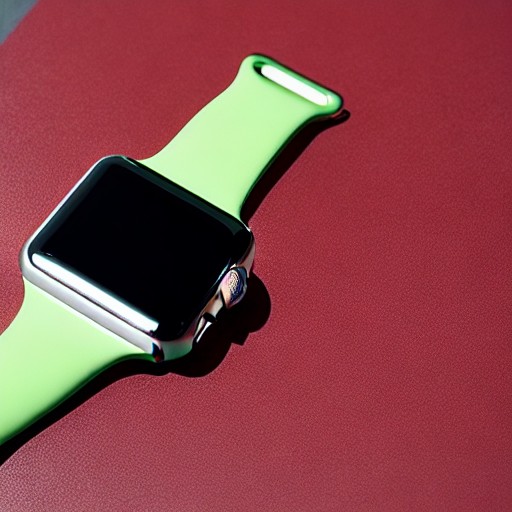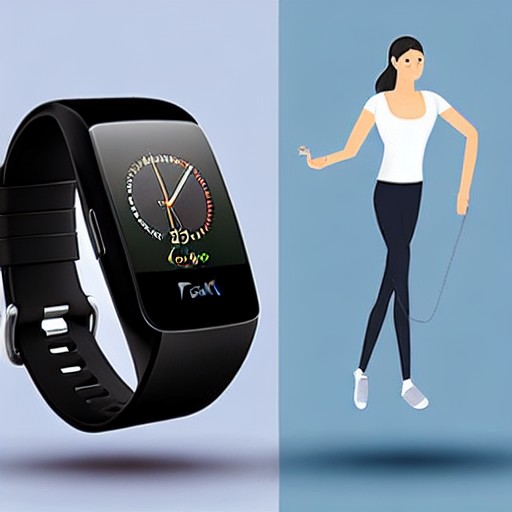
Everything old is new again with the Fitbit Edge, a modernized version of the 2014-to-2020 era of fitness bands. It’s sleek, lightweight, and easy to wear, with a long battery life and interchangeable straps. However, its price tag feels a bit steep for what it offers, especially compared to other trackers on the market.
The Edge is a basic fitness tracker that doesn’t come with smartwatch features, making it a no-nonsense device for those who want straightforward health metrics. The AI coach is there to guide you, but it’s not without its quirks. It’s a step back to the simplicity of fitness tracking, but with a dash of modern AI to make it feel a bit more tech-savvy.
One of the standout features of the Edge is its automatic activity tracking. It’s improved from previous models, correctly identifying the start and end of a run and estimating the distance. However, it’s not perfect, and the estimated pace can be a bit off. This is a nifty way to still get credit for your runs, even if you forget to start an activity.
The Google Health app, with its AI coach, is a mixed bag. It can feel cluttered and requires some hand-holding to get the most out of it. However, if you’re new to fitness and want guidance in creating and sticking to a custom routine, it’s still the best experience I’ve had so far. The bar is high, though, so be prepared to share more personal information than you might be comfortable with.
In the end, the Fitbit Edge is a solid choice for those who want the basics without the smartwatch bells and whistles. It’s a return to fitness tracking roots, but with a modern twist. For those who are tired of the smartwatch agenda, it might just be the tracker you’ve been looking for.