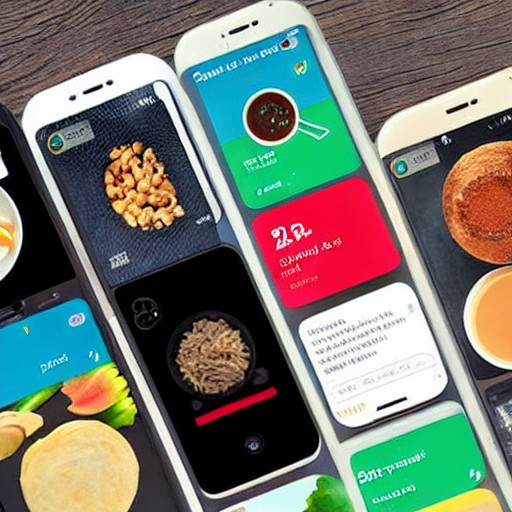
As a busy mom, tracking my daily meals seemed like an overwhelming task. However, with the help of food-tracking apps like BitePal, Hoot, Lose It!, and MyFitnessPal, I found it easier than expected. These tools not only remind me to stay on track but also provide valuable insights into nutritional intake.
Nutritionist Meridan Zerner explains that such apps increase awareness by helping us notice food gaps we might otherwise overlook, like insufficient fiber or iron. They can be particularly useful for people who tend to underestimate their calorie consumption by 20 to 50 percent.
Each app requires basic information about your body and goals before offering daily calorie recommendations. However, these estimates can vary widely due to factors not fully captured in the equations used. Consulting a dietician might provide more accurate results through methods like resting metabolic rate testing.
The apps also offer AI analysis for meal photos, but accuracy can differ significantly between them. For instance, one app might calculate a Mediterranean bowl as 1,000 calories while another might estimate higher. Manual adjustments are often necessary to ensure precise tracking.
These tools encourage balanced eating habits and consistent water intake by sending reminders. However, they can also become obsessive for perfectionists like myself, reinforcing black-and-white thinking that can lead to unhealthy dieting attitudes. Losing It! was my preferred app due to its detailed analysis and barcode scanning feature.