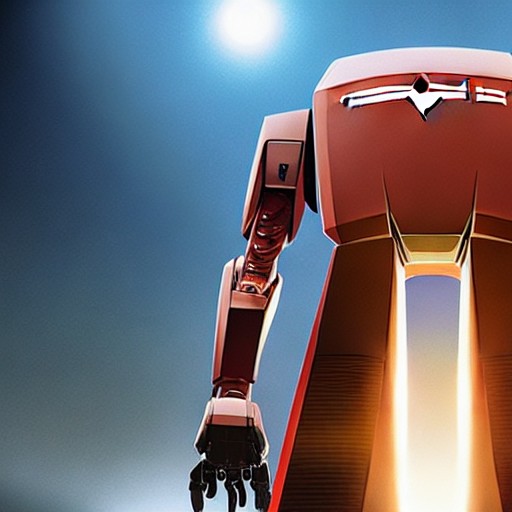
Tesla’s ambitious transition from electric cars to humanoid robots is facing significant hurdles, with complex robot hands and disgruntled employees pushing back against the training of their robotic replacements. As Tesla CEO Elon Musk continues to bet the company’s future on AI and robotics, the challenges in scaling production are apparent.
During Tesla’s second-quarter 2026 earnings call, Musk described the Optimus humanoid robot as potentially “the biggest product ever.” However, the difficulties in developing and manufacturing Optimus V3 are evident, with issues including misaligned production line components and limitations in running the production line too fast.
The Fremont factory in California has shifted production from sedans and SUVs to the Optimus project. Despite scaling up production to hundreds of robots per week, Tesla aims to surpass 1,000 robots per week by the end of 2026. This shift highlights Tesla’s belief in the potential of general-purpose robots that can handle a diverse array of tasks.
The complexity of robotic hands, capable of delicate manipulation tasks, poses significant engineering challenges. Human workers must manually assemble the Optimus hands and forearms, which contain over 100 small components, including screws. These challenges are translating into production headaches for Tesla.