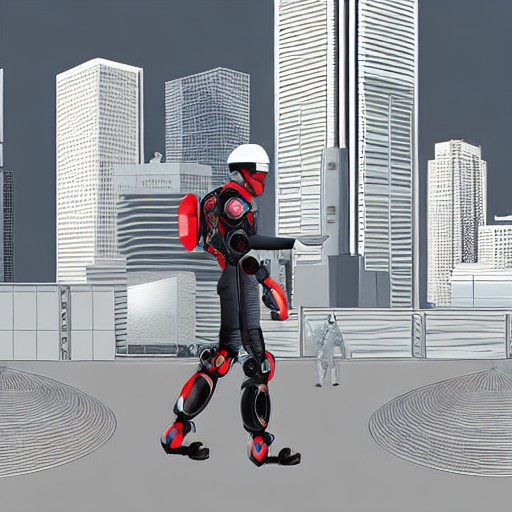
This year, members of Seattle Mountain Rescue have been testing an unusual piece of kit: powered assistive devices attached to their hips and legs. These exoskeletons are designed to boost rescuers' speed and endurance when searching for stranded people in the wilderness.
Exoskeletons are external mechanical structures that enhance the wearer's physical capabilities. They are increasingly used in physically demanding fields. IKEA has been using SuitX exoskeletons for several years to help warehouse workers handle heavy materials. Ford, Boeing and Mazda Toyota have also adopted the technology on some of their assembly lines. In Finland, a project called ExoPELA found that exoskeletons could reduce muscle load and strain in rescue and firefighting work.
Further afield, early in 2026, the Ukrainian military revealed that its soldiers were using Hypershell exoskeletons to carry artillery shells. According to test results, soldiers wearing the devices became less fatigued, worked faster, and maintained combat effectiveness for longer.
Consumer and clinical devices designed for everyday assistance, rehabilitation, and exercise are also now available. Some estimates value the sector at around $500 million (£370 million) currently, and predict it could double or triple in size by the mid-2030s. Exoskeleton technology has progressed significantly over the past decade, thanks to the affordability and accessibility of robotic motors, sensors, and control systems.