Thousands of unionized Hyundai auto workers in South Korea have begun walking off the job over plans to deploy humanoid robots. The partial strike at Hyundai’s production complex in Ulsan represents the car industry’s first factory stoppage addressing such automation.
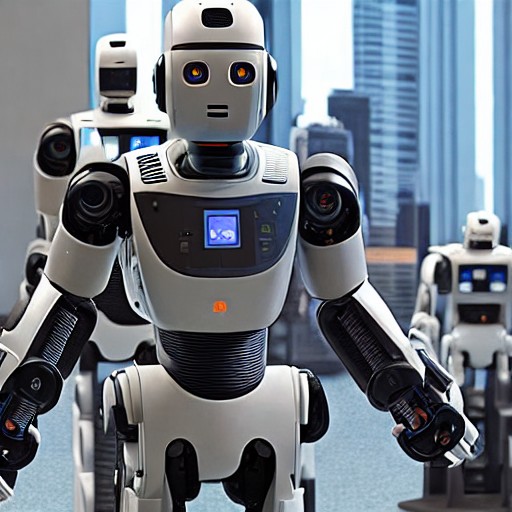
The union, representing more than 39,000 South Korean workers, has demanded that the automaker shift production workers' hourly pay to a fixed salary and raise the worker retirement age from 60 to 65. These demands come as Hyundai plans to deploy over 25,000 Atlas humanoid robots across various manufacturing plants.
Each robot costs an estimated $130,000 but may pay for itself within two years of operations. Analysts suggest that if the cost falls to $100,000, it could significantly undercut a typical auto worker’s salary, leading to fears among union members about job security.
Negotiations have failed 15 times so far, with workers ending their day and night shifts two hours early from July 13 to July 15. They plan further four-hour strikes from July 20 to 22 after the latest rounds of talks broke down without agreement.
The pushback from organized labour highlights a growing concern that humanoid robots might soon replace human workers in manufacturing, sparking debates about job displacement and the future of work.