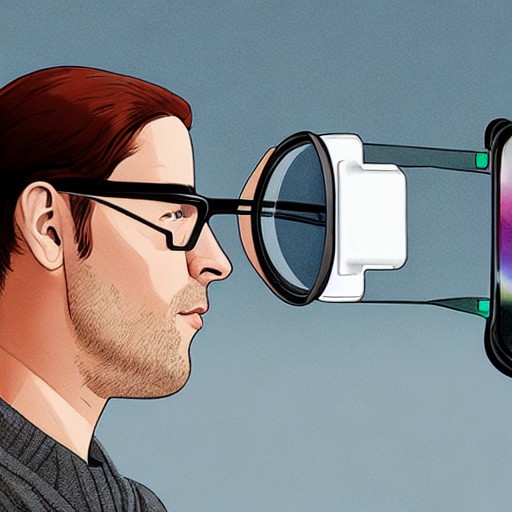
Norway's digital minister Karianne Tung is leading a push to ban camera-enabled smart glasses, citing privacy concerns. The move comes as tech giants like Meta and Snap develop wearables that could soon include facial recognition. Critics label these devices as 'pervert glasses', while civil liberties advocates warn of looming surveillance.
Tung argues that these gadgets threaten privacy in public spaces, stating, 'We must prevent this equipment from being used to monitor other people in public places.' The government plans to establish an expert panel to advise on privacy protection, but the debate is already heating up.
The trend is clear, Tung says, as artificial intelligence is integrated into everyday objects, from glasses to headphones. This raises questions about the future of public privacy. As these technologies become more prevalent, the lines between personal space and public life may blur.
The ban could set a precedent for similar measures in other countries, potentially sparking a global debate on wearable tech and privacy. As Tung acknowledges, the challenge lies in balancing convenience with the right to privacy. For now, the 'pervert glasses' saga continues, with the future of tech and surveillance hanging in the balance.